

ABOUT THE PROJECT
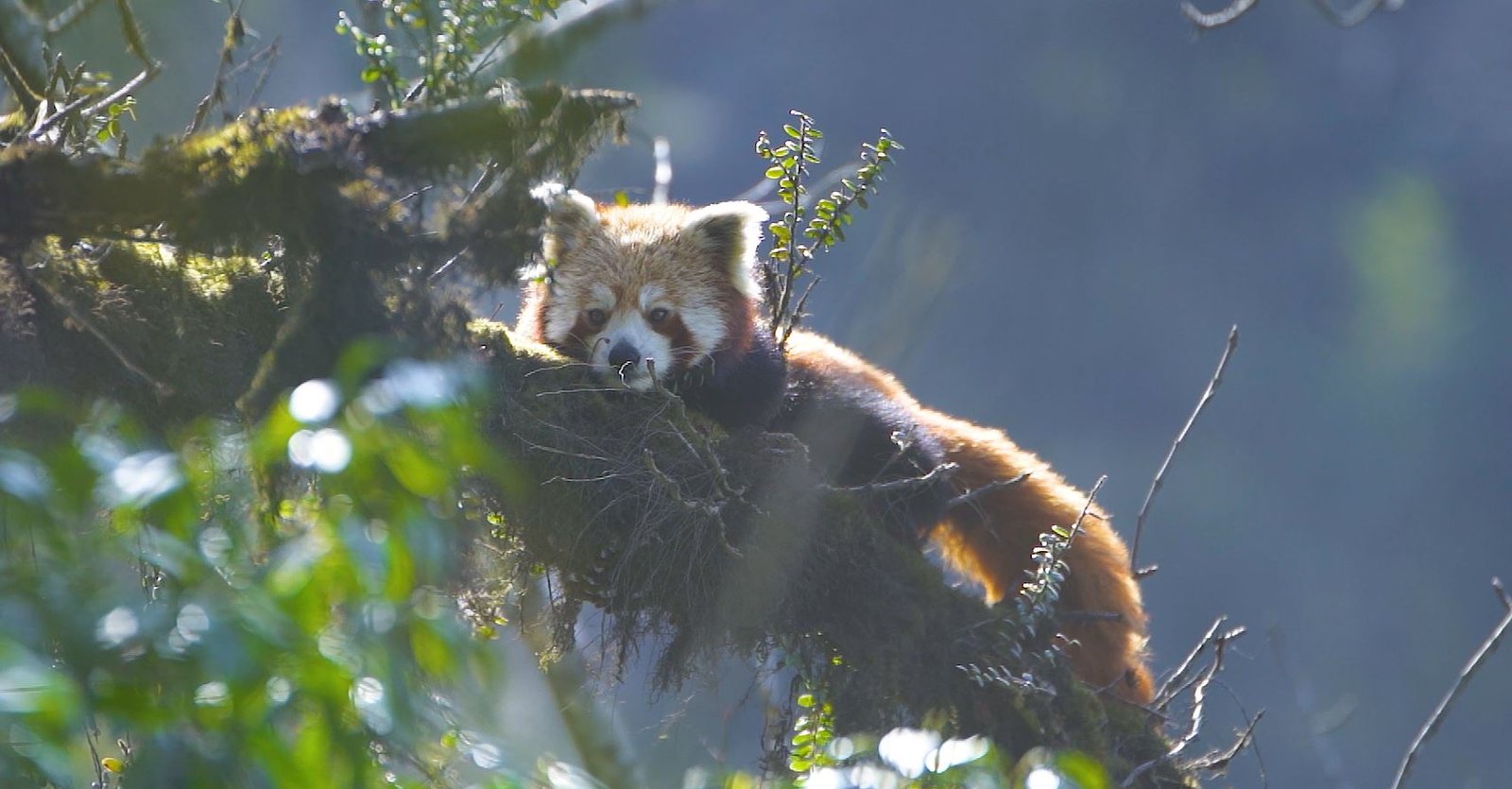
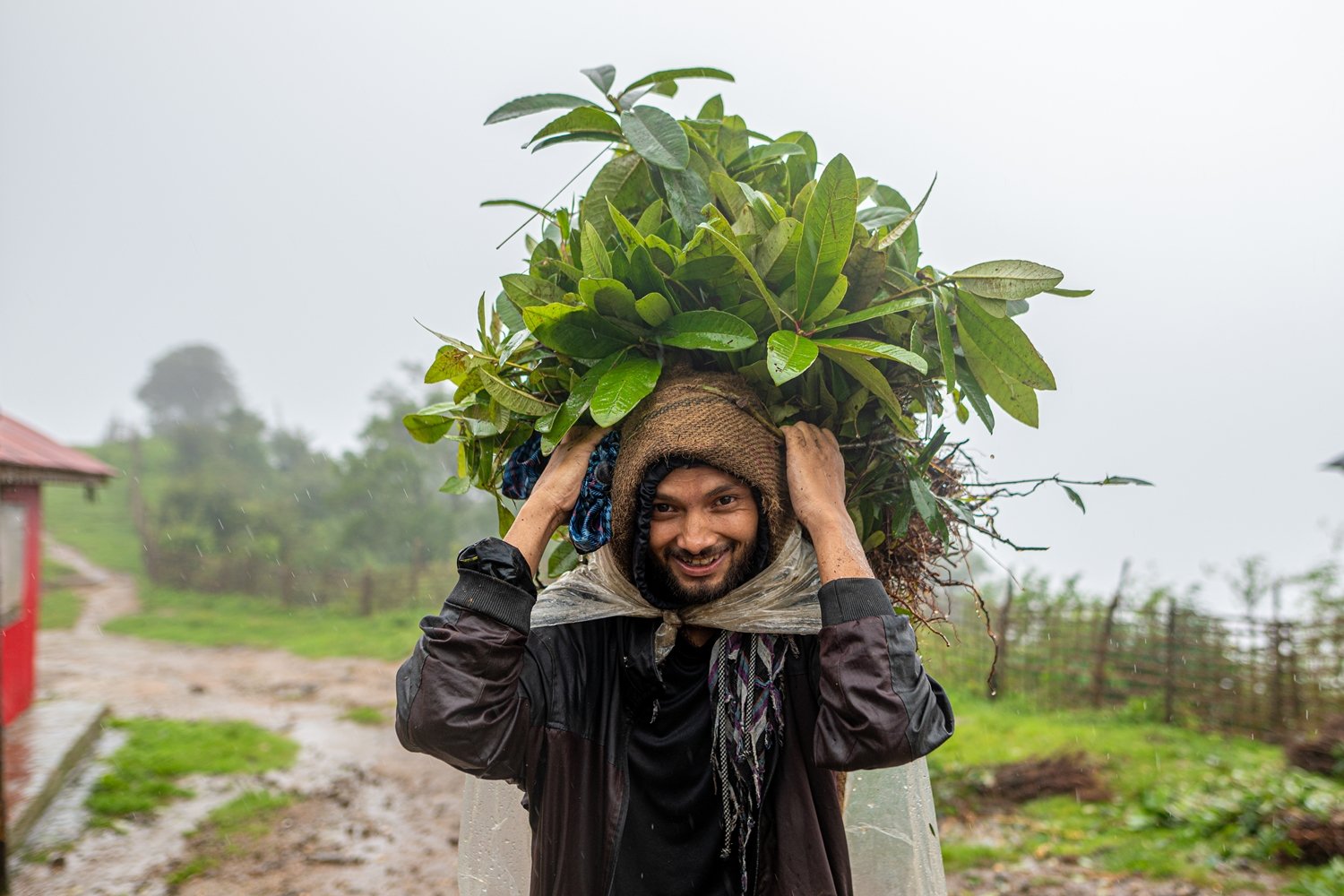
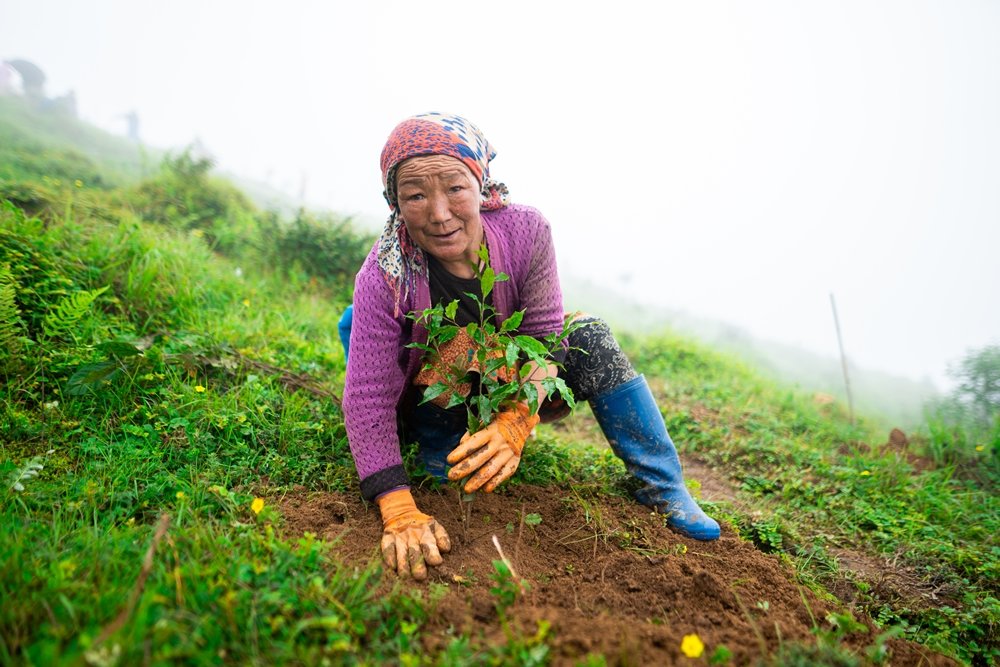
Red Panda Network is an international conservation organisation dedicated to protecting wild red pandas and the Himalayan forests they depend upon. Working primarily in Nepal, and increasingly elsewhere across the species’ range, it combines scientific research, habitat restoration, anti-poaching patrols, conservation education and sustainable livelihoods. Its community-based model places local people at the centre of conservation, employing Forest Guardians to monitor wildlife, protect forests and help communities benefit economically from safeguarding red pandas and their habitat.
IMPACT
Impact Snapshot
Conservation Impact
Red Panda Network has built one of the most established community-led conservation programmes for wild red pandas. Its work protects and reconnects Himalayan forests, improves knowledge of red panda distribution and threats, and strengthens action against poaching. Forest Guardians provide continuous local monitoring, while restoration, education and livelihood programmes reduce pressure on natural resources. These activities benefit red pandas, other threatened wildlife, mountain watersheds and thousands of families whose futures are closely linked to healthy forests.
The Conservation Challenge
Red Panda Network faces extensive habitat loss and fragmentation caused by roads, settlement, agriculture, livestock grazing and unsustainable forest use. Poaching, accidental trapping, free-ranging dogs, disease, forest fires and climate change create additional pressure on already small, isolated populations. Red panda habitat is remote and difficult to survey, while conservation depends on sustained funding and cooperation across communities, governments and national borders. Poverty and limited livelihood choices can also increase local reliance on forests and their resources.
Solving these challenges would reconnect fragmented forests, allowing red pandas and other Himalayan wildlife to move, breed and adapt to environmental change. Stronger monitoring and enforcement would reduce poaching, trapping and disease risks, while restored habitat would protect biodiversity, water supplies and carbon-rich mountain ecosystems. Sustainable livelihoods, education and locally led conservation would give communities greater economic security and a direct stake in protecting wildlife, helping viable red panda populations survive throughout their historic range.
WHAT'S NEEDED NOW
Forest GUardina Field Kit
US$150A practical kit could include waterproof clothing, gumboots, backpack, head torch, first-aid supplies, notebooks and protective equipment.
WAYS TO SUPPORT
Donate
Make a direct contribution to this conservation project and help protect wildlife on the ground.
DONATE TO THIS PROJECTFundraise
Rally your friends and community to support this project. Every bit helps.
START FUNDRAISINGVolunteer
Red Panda Network recruits volunteers for roles such as communications, research, design, fundraising and outreach, with active opportunities advertised through VolunteerMatch. These positions are generally remote or office-based rather than open field placements in Nepal. People seeking field experience can consider its paid Ecotrips, while longer Eco Zoo Trips are designed for zoo staff, volunteers and conservation professionals. Research placements or hands-on involvement must be agreed directly and will depend on relevant skills, permits, supervision and current project needs.
VIEW OPPORTUNITIESTravel
See wildlife in the wild while supporting conservation on the ground. Visits to EAE partner projects can be arranged.
EXPLORE NEPAL