

ABOUT THE PROJECT
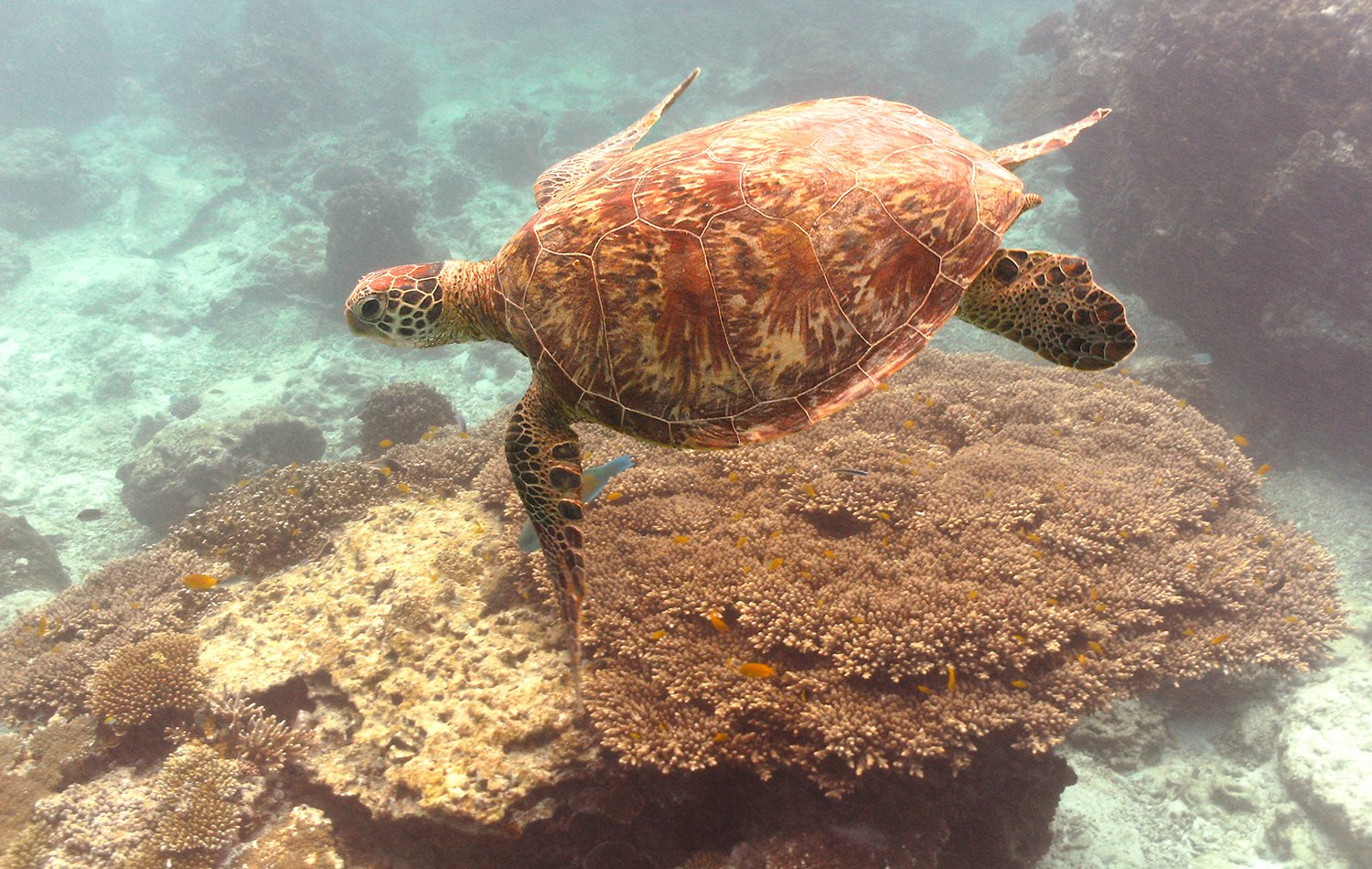
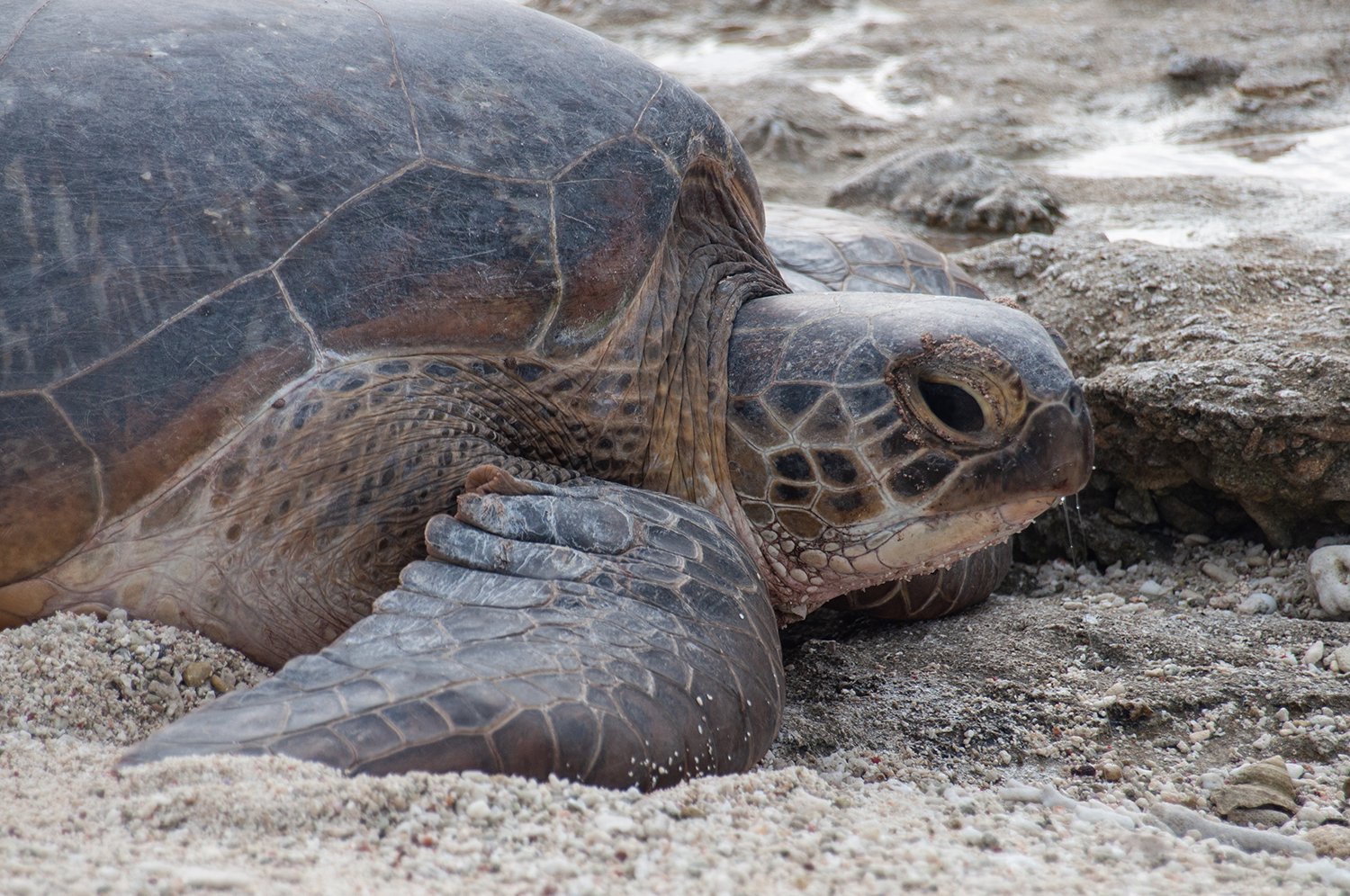
Rekawa Turtle Watch is a community-run marine conservation initiative protecting nesting sea turtles on Sri Lanka’s southern coast. Local nest protectors patrol the beach, safeguard nests in situ, monitor turtle activity and guide responsible night-time visits. Established through the Turtle Conservation Project and managed daily by Nature Friends of Rekawa, it uses visitor income to fund conservation and community benefits. Its approach replaces egg poaching with employment, education and locally led ecotourism.
IMPACT
Impact Snapshot
Conservation Impact
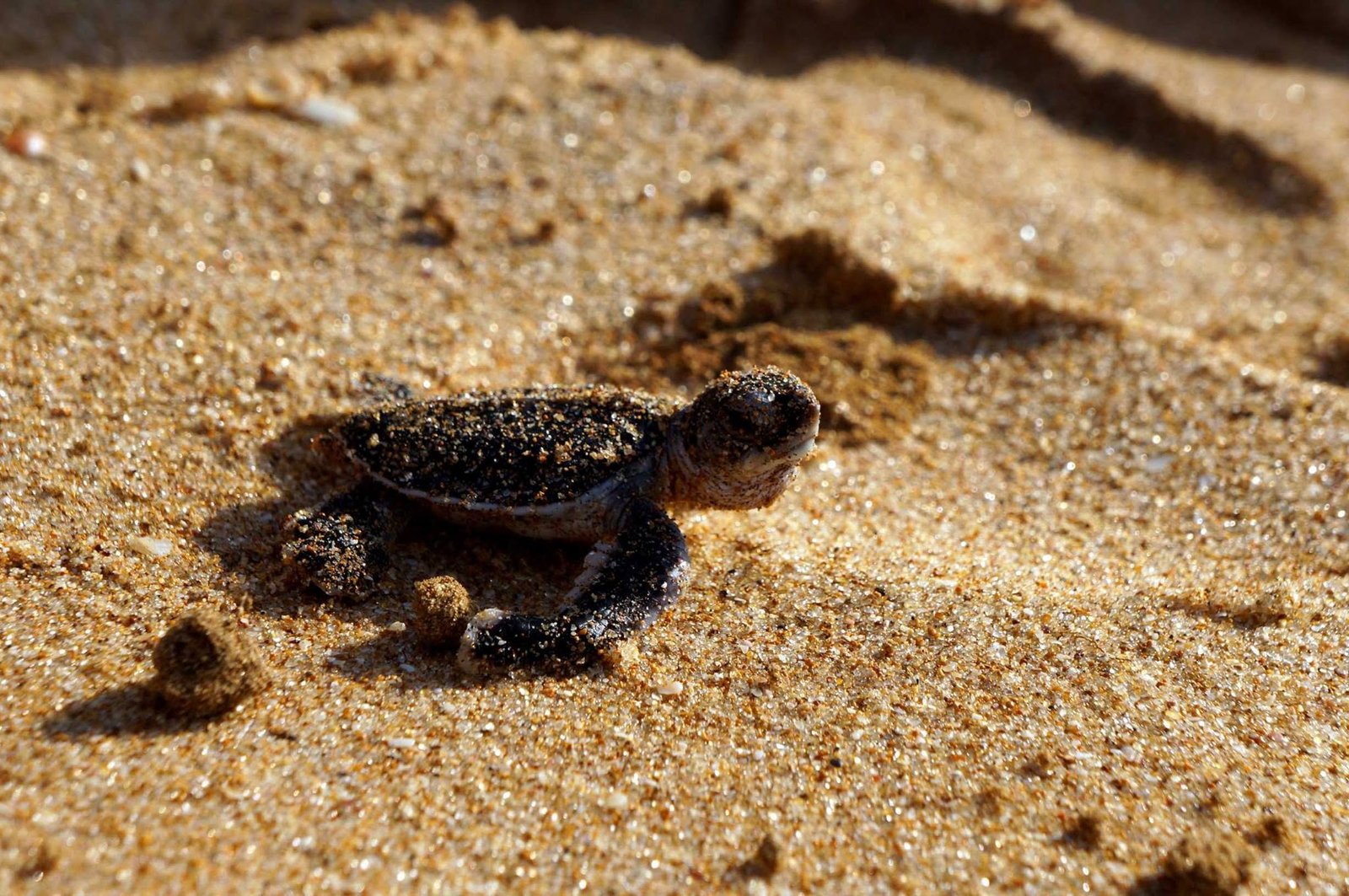
Rekawa Turtle Watch has transformed an important nesting beach once heavily affected by egg collection into a community-protected sanctuary. Continuous patrols and in-situ nest protection allow hatchlings to emerge naturally, while former poachers have gained conservation employment and guiding skills. Visitor fees help sustain patrols and support wider community needs. The project has also strengthened public understanding of responsible turtle tourism and helped secure formal protection for Rekawa’s beach, coastal vegetation and nesting habitat.
The Conservation Challenge
Rekawa Turtle Watch faces illegal egg collection, coastal development, artificial lighting, plastic pollution, fisheries bycatch, predators and disturbance from poorly managed tourism. Climate change adds further risks through rising seas, stronger storms, beach erosion and increasing sand temperatures, which can alter hatchling sex ratios. The community-run project must also fund year-round patrols, maintain equipment and manage visitors responsibly despite seasonal income. Protecting an open coastline at night requires dependable staffing, training and long-term financial security.
Solving these challenges would allow more females to nest undisturbed and more hatchlings to reach the ocean naturally. Secure funding would sustain patrols, improve monitoring and strengthen protection against poaching, damaging development and irresponsible tourism. A healthy nesting beach would conserve turtles and the wider coastal ecosystem while supporting local jobs, guides and small businesses. Most importantly, Rekawa would remain a successful example of how community ownership and carefully managed tourism can turn wildlife protection into lasting local benefit.
WHAT'S NEEDED NOW
Nest Screens and marker stakes
US$150These help protect and monitor nests without moving the eggs.
TRAVEL CONNECTION
Suggested Camps & Experiences
isitors can see the project firsthand at Rekawa Beach Marine Turtle Sanctuary, near Tangalle in southern Sri Lanka. This is not a national park or conventional hatchery: turtles nest naturally along the beach, while community nest protectors patrol and safeguard them in situ. Guests begin at the Turtle Watch Visitor Centre before joining a guided evening walk. The site operates throughout the year, although nesting activity is generally highest from April to July and sightings can never be guaranteed.
WAYS TO SUPPORT
Donate
Make a direct contribution to this conservation project and help protect wildlife on the ground.
DONATE TO THIS PROJECTFundraise
Rally your friends and community to support this project. Every bit helps.
START FUNDRAISINGVolunteer
Rekawa Turtle Watch accepts volunteers to assist with evening watches, visitor interpretation, crowd management, conservation activities, community outreach, marketing, beach and Visitor Centre maintenance, and English teaching. Volunteers should be confident English speakers, flexible, self-motivated and preferably aged 21 or over. The project recommends staying for at least two weeks and requests a volunteer contribution, although no current public fee is listed. Placements must be arranged directly with the organisation before travelling.
VIEW OPPORTUNITIESTravel
See wildlife in the wild while supporting conservation on the ground. Visits to EAE partner projects can be arranged.
EXPLORE SRI LANKA