
ABOUT
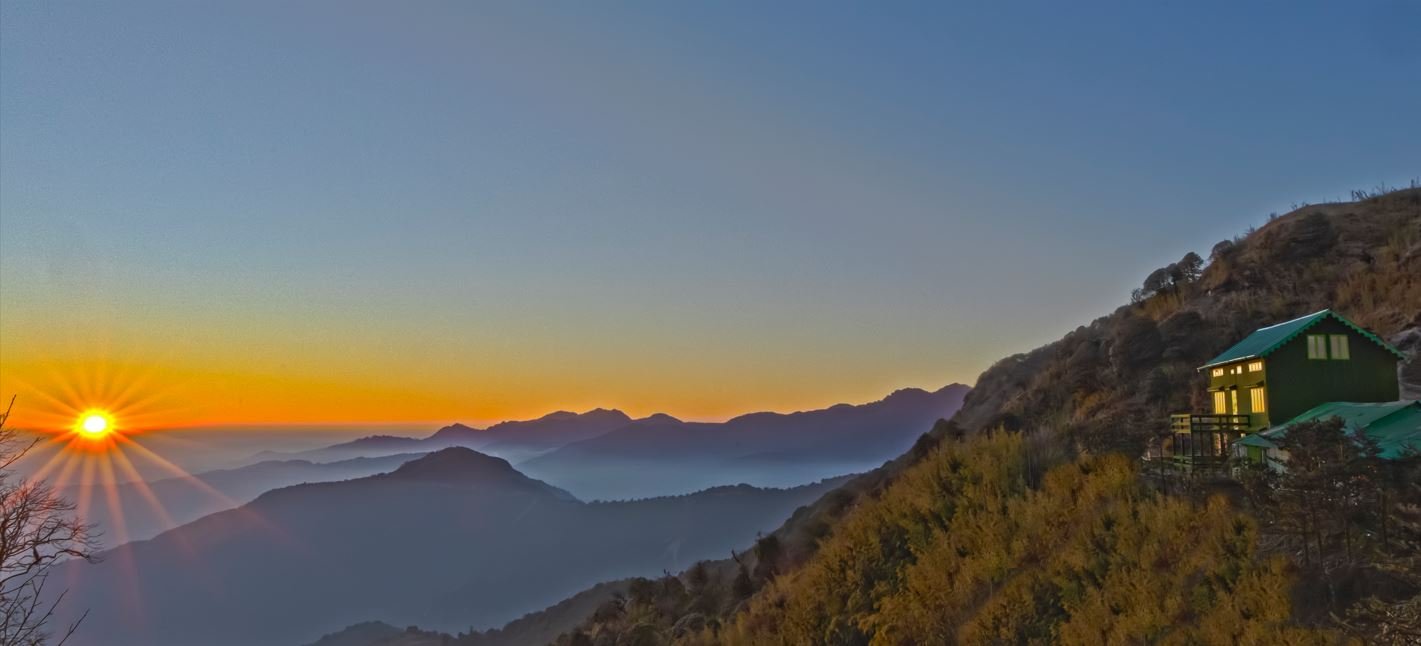
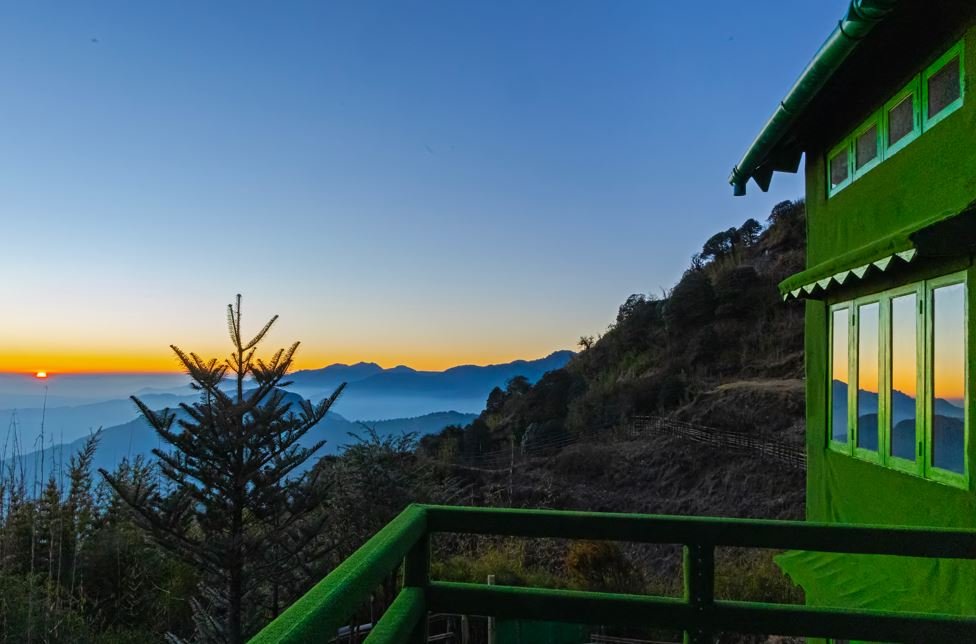
A comfortable experiential homestay in Tinchule-Singalila in the Eastern Himalayas supporting the research & conservation of wild Red Pandas.
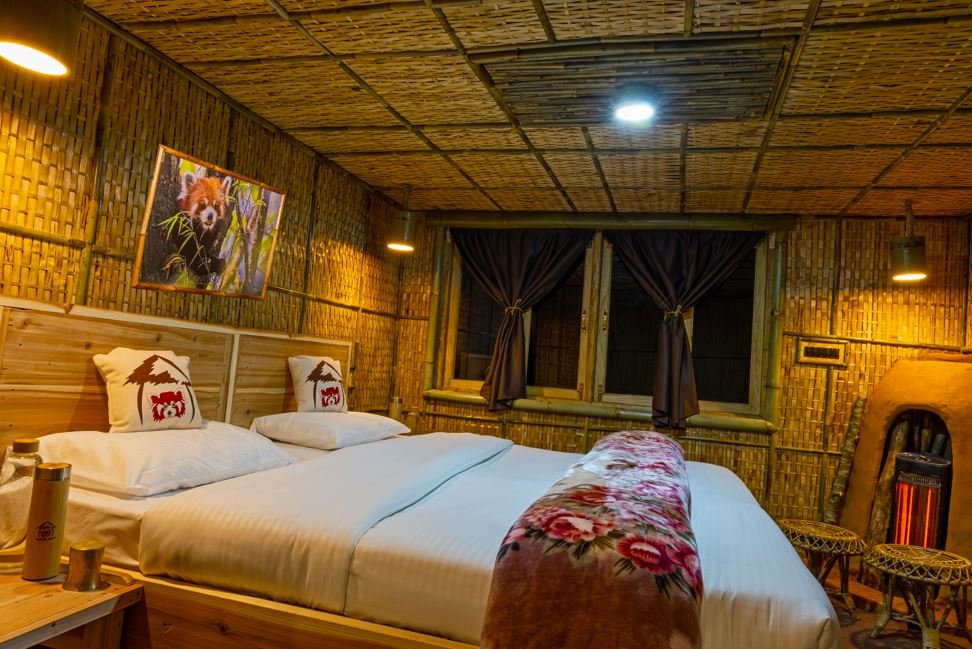
Habre’s Nest is a locally run sustainable wildlife tourism initiative that combines memorable red panda encounters with meaningful conservation. With just four guest rooms, the project supports around 20 local jobs while helping to protect red pandas and their forest habitat. It’s a great example of how small-scale tourism can directly benefit both wildlife and the communities that live alongside it.
Key Highlights
- Sustainable, locally run wildlife tourism initiative
- Supports the conservation of red pandas and their forest habitat
- Employs around 20 local people despite having just four guest rooms
- Offers intimate, small-scale wildlife experiences
- Directly connects tourism with conservation and community livelihoods
Seasonality
To plan your visit, consider these seasonal highlights:
September-November: Enjoy the vibrant colors of autumn, clear skies, excellent bird watching, and plenty of kiwi and sorbus fruits, which red pandas love.
December-January: Experience potential snowfall, good bird watching, mostly clear skies, some remaining autumn colors, and the red panda mating season.
February-March: Relish the chance of snowfall, the scent of Defny, mostly clear skies, superb bird watching, and possibly spot baby red pandas.
April-Mid May: This period is ideal for bird watching, with the forest in full bloom with rhododendrons, magnolias, and orchids, perfect camouflage for red pandas.
Mid May-Mid June: Bird watching remains excellent, and you can see red pandas amidst rain clouds along with blooming orchids, cobra lilies, and wild strawberries.
Experience Types
DETAILS
ACCESS & LOGISTICS
From Delhi fly to Bagdogra, followed by an approximately five-hour 4×4 transfer, crossing into Nepal at Kakarbhitta and continuing to Habre’s Nest in the remote village of Tinchule. Kathmandu can also be used as a gateway, with onward travel arranged to reach the eastern Nepal/Singalila region. The remote location means journey times can vary, so build some flexibility into travel plans.
CONSERVATION CREDENTIALS
CONSERVATION PARTNERSHIPS
Habre’s Nest works closely with Wildlife Awareness Trust for Environment & Research (W.A.T.E.R.), directing 20% of its profits towards red panda conservation across the Indo-Nepal Singalila Ridge. Conservation work includes daily anti-poaching forest patrols, red panda monitoring and census work, habitat restoration, dog vaccination programmes, community medical and wildlife-awareness camps, and local employment and training. Habre’s Nest also works with the Red Panda Network, supporting community-based monitoring and protection of red panda habitat. The project operates within the important Tinchule–Singalila forest corridor, linking habitat in Nepal with Singalila National Park in India.
SUPPORT PROVIDED
Habre’s Nest uses tourism as a practical tool for conservation and community development. A proportion of tourism income is directed towards red panda conservation, including habitat protection and restoration, wildlife monitoring and anti-poaching patrols. The initiative also supports awareness and education within local communities, alongside projects such as dog vaccination and community health programmes. Importantly, tourism creates direct local livelihoods: around 20 people are employed to support an operation with just four guest rooms, giving surrounding communities a tangible economic incentive to protect the forest and its wildlife.
GUEST CONTRIBUTIONS
Guests contribute through their stay, with 20% of Habre’s Nest’s profits directed towards conservation and research. Tourism revenue also supports local employment, helping create a direct economic incentive for communities to protect red pandas and their forest habitat.
CONSERVATION VISITS
Yes. Conservation is integrated into the guest experience rather than offered as a separate project visit. Guests joining a Red Panda Expedition contribute to ongoing red panda research and census work, with observations and data helping to build knowledge of the local population. Wildlife discussions and presentations are also included during stays, giving guests opportunities to learn about red panda ecology, threats and conservation. Guests experience the habitat alongside the local tracking team and can see first-hand how sustainable tourism supports monitoring, forest patrols and wider conservation work.
LOCAL EMPLOYMENT
Habre’s Nest places local employment at the heart of its sustainable tourism model. Despite having only four guest rooms, it employs around 20 people from the local area, including wildlife trackers, guides and hospitality staff. This ensures that income from red panda tourism stays within the community and gives local people a direct economic stake in protecting the surrounding forest and its wildlife.
COMMUNITY PROJECTS SUPPORTED
Habre’s Nest supports the surrounding community through initiatives linked to conservation and sustainable livelihoods. These include community medical camps, conservation and wildlife-awareness programmes, local training and employment, and domestic dog vaccination programmes that benefit both village communities and wildlife. Through its conservation work with W.A.T.E.R., it also helps build local skills in areas such as wildlife tracking, monitoring and forest protection.
ENVIRONMENTAL SUSTAINABILITY
WATER MANAGEMENT
Habre’s Nest practices water conservation in its remote Himalayan setting, including rainwater harvesting and responsible water use. Natural Himalayan spring water is available, with treated drinking water provided for guests.
WASTE MANAGEMENT
Habre’s Nest follows responsible waste-management practices, including waste segregation and minimising single-use plastics. Its small-scale operation is designed to reduce its environmental footprint, particularly important given its remote location within sensitive red panda habitat.
FOOD SOURCING
Habre’s Nest serves local, organic cuisine, helping keep tourism spending within the surrounding community. Meals focus on local food and ingredients, with the lodge’s wider commitment to local purchasing contributing to its community-based tourism model. Due to the remote location, menus are generally fixed, but most dietary requirements can be catered for with advance notice.
ADDITIONAL INITIATIVES
Habre’s Nest supports red panda habitat restoration, reforestation and forest protection across the Singalila landscape, alongside wildlife monitoring and anti-poaching patrols. Its conservation work also includes domestic dog vaccination programmes, helping reduce the risk of disease transmission to wild red pandas. The lodge promotes low-impact wildlife tourism, with small guest numbers and guided forest activities designed to minimise disturbance. Its wider model links tourism revenue directly with protecting the forest and biodiversity on which red pandas depend.
CONSERVATION INSIGHT
NATURE & CONSERVATION IN THE VISITOR EXPERIENCE
Guests are immersed in the Singalila forest ecosystem, exploring on foot with experienced local trackers and naturalists who interpret the landscape as they go. While red pandas are the main focus, guests learn to recognise signs of wildlife, understand animal behaviour and discover the wider biodiversity of the forest. The slow pace of tracking, watching, listening and waiting, offers a particularly intimate way to understand this fragile Himalayan habitat and the challenges involved in protecting it.
RELEVANT SPECIES
CONSERVATION THEMES
CERTIFICATIONS & MEMBERSHIPS
Other: W.A.T.E.R. (Wildlife Awareness Trust for Environment & Research)