ABOUT
An intimate Lower Zambezi bush camp offering an exceptionally close-to-nature safari experience, renowned for elephants, predators and superb guiding.
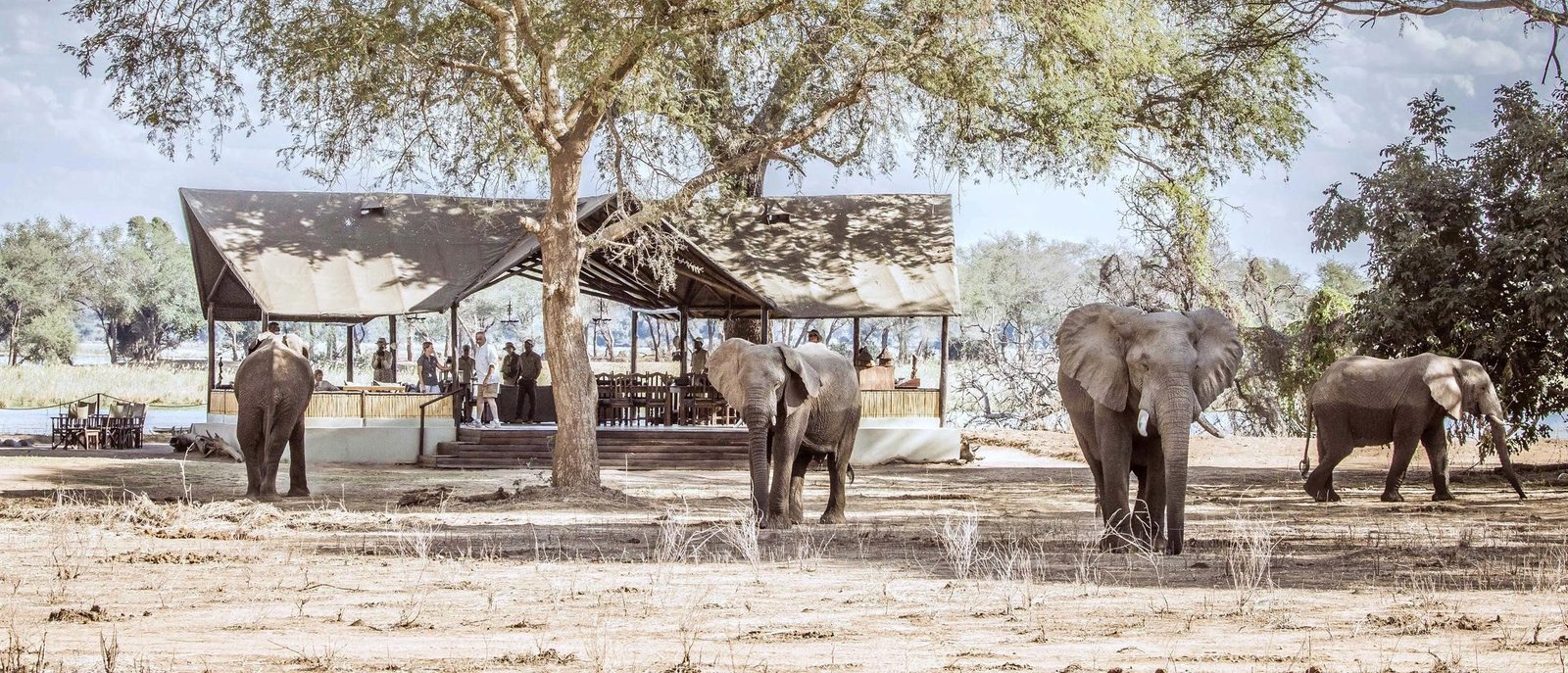
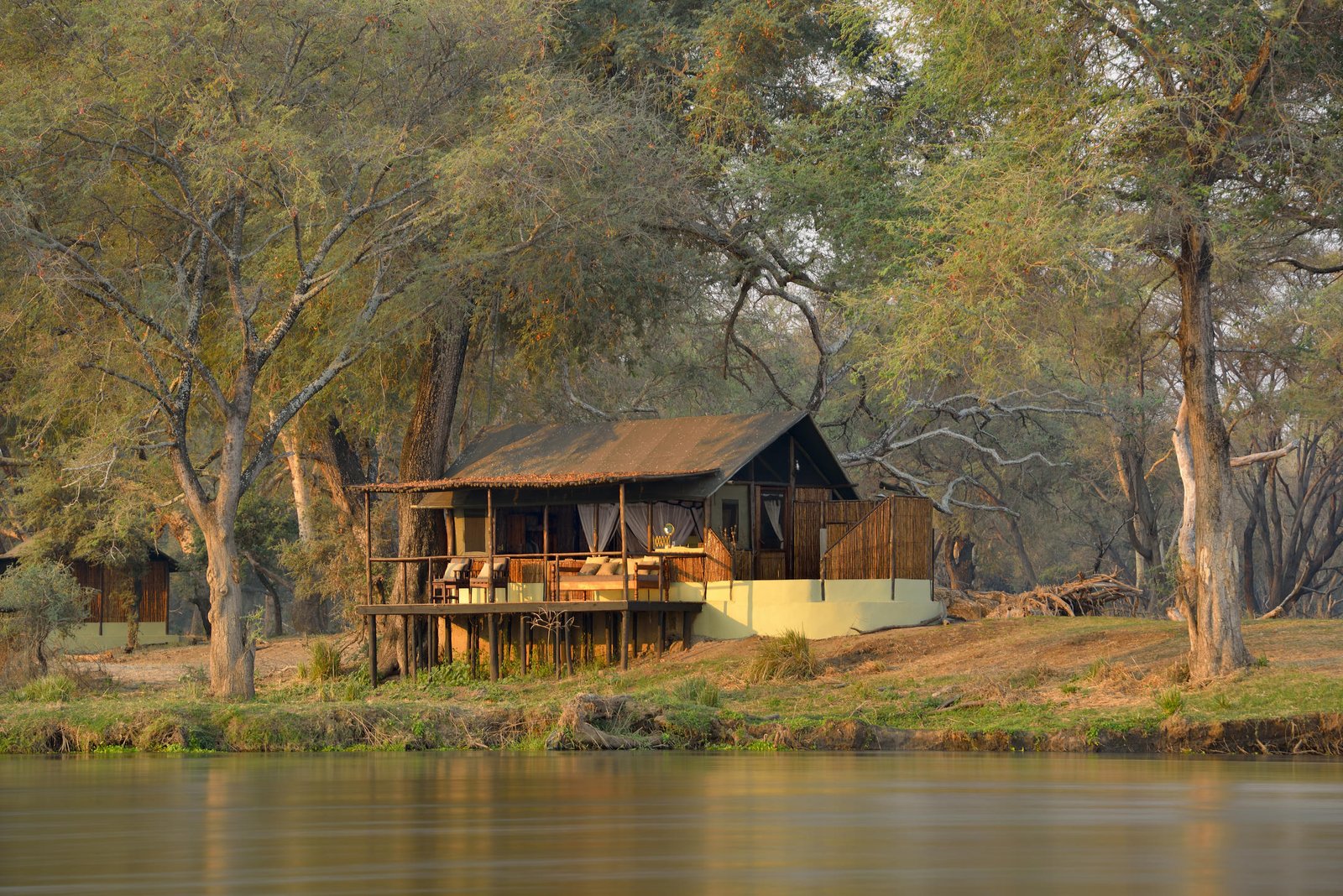
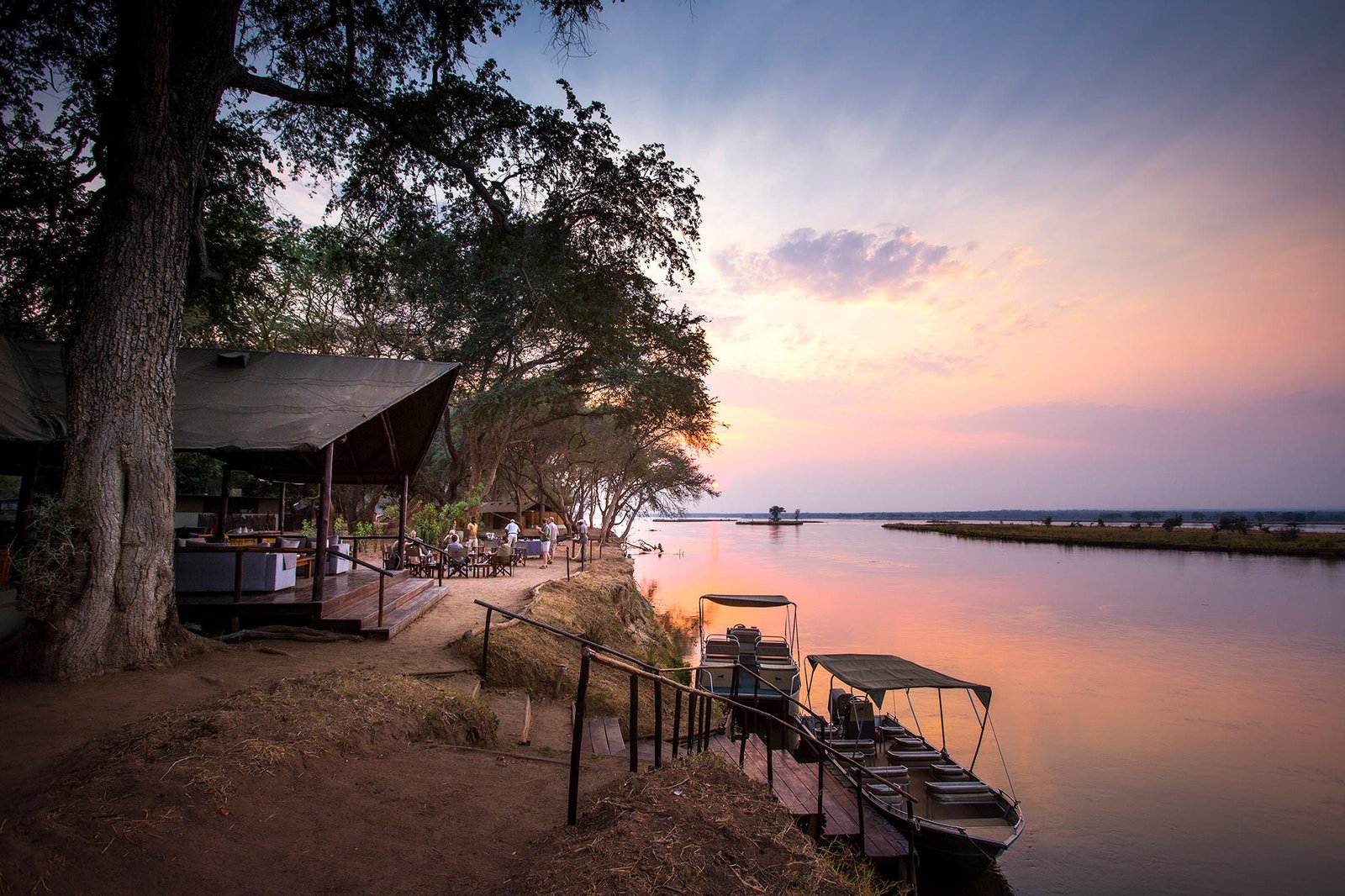
Old Mondoro is an intimate five-chalet bush camp on the banks of the Zambezi River in Lower Zambezi National Park. Set beneath towering winterthorn trees, the camp is deliberately simple and open to its surroundings, creating a safari experience where the wilderness feels remarkably close.
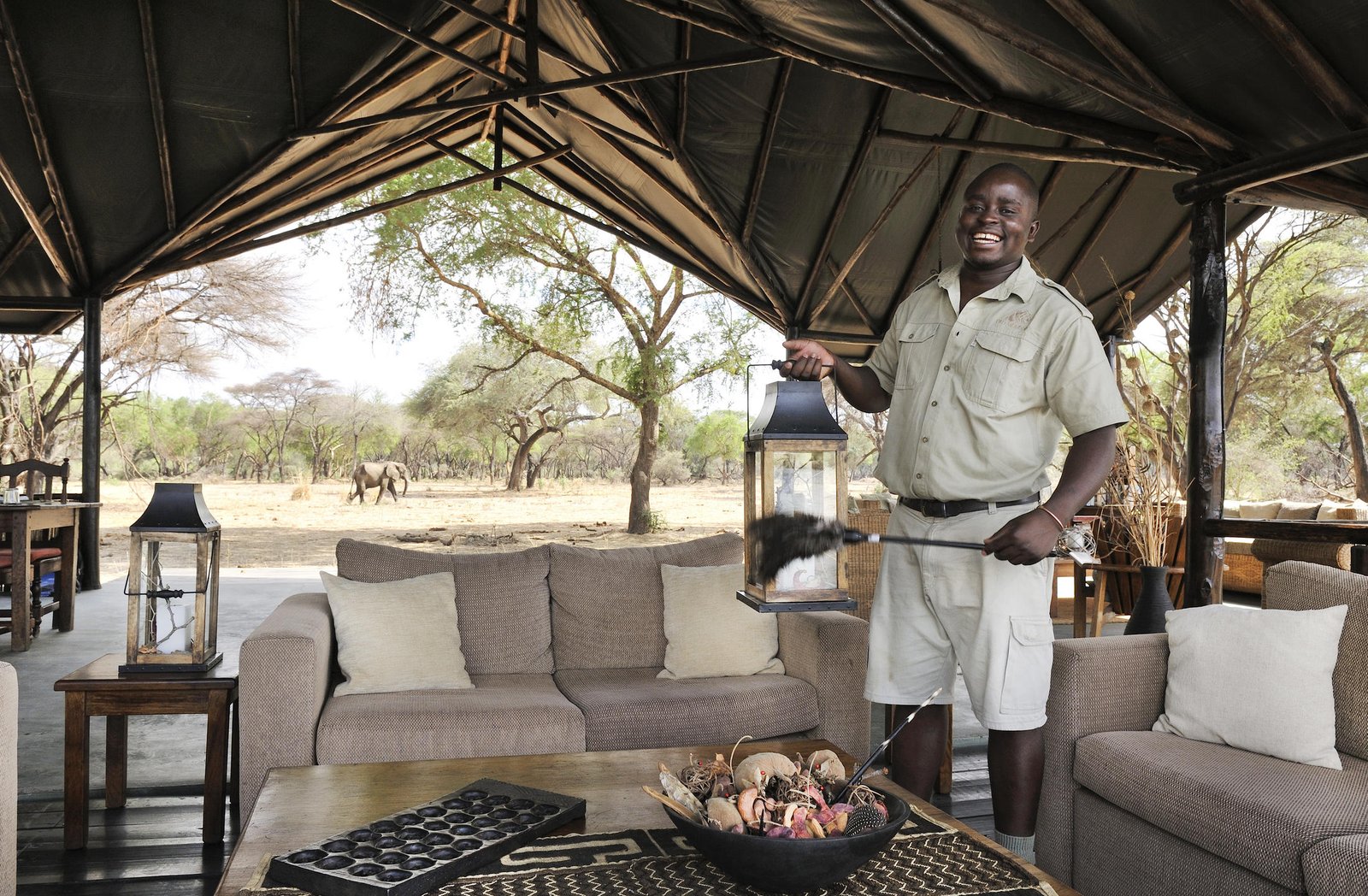
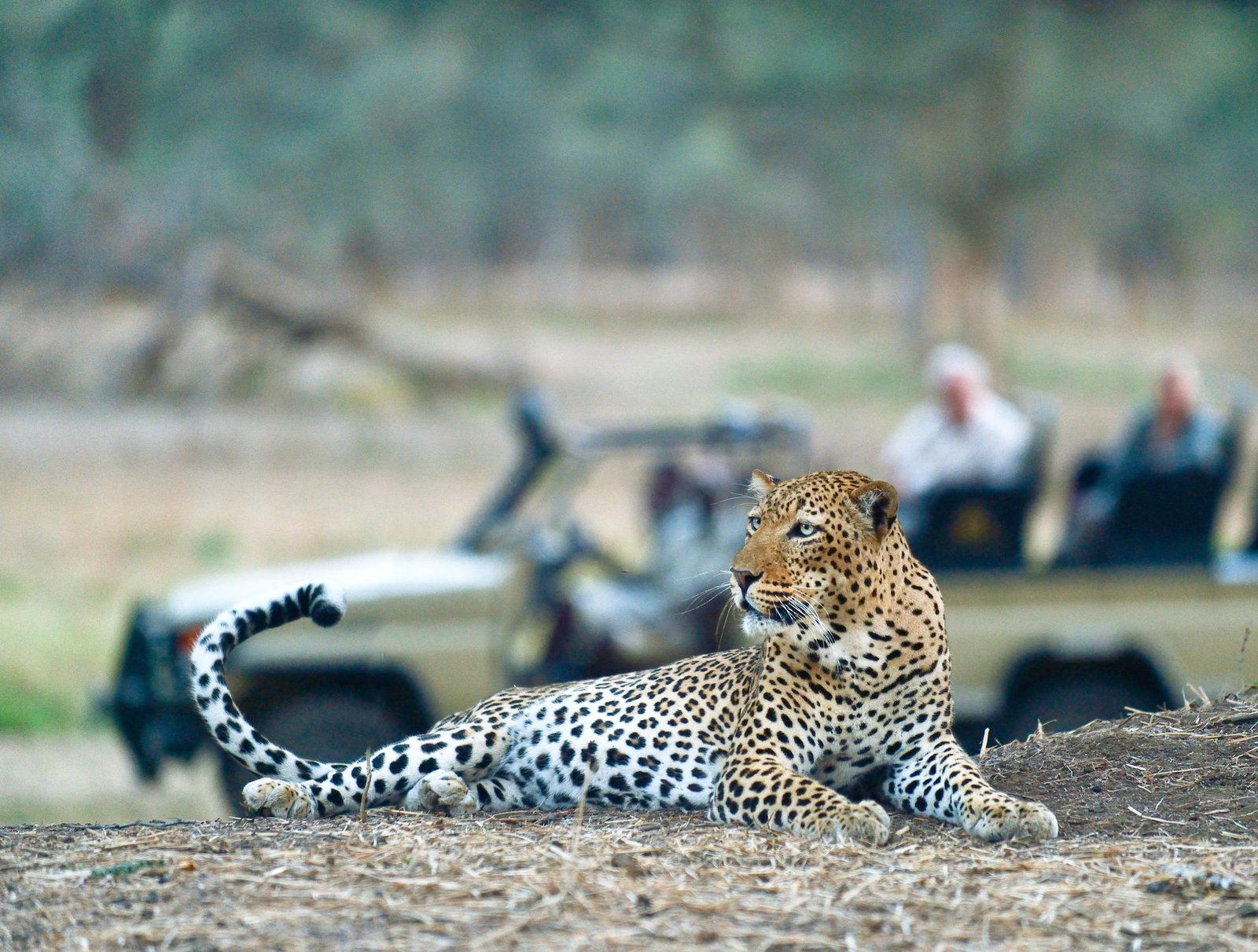
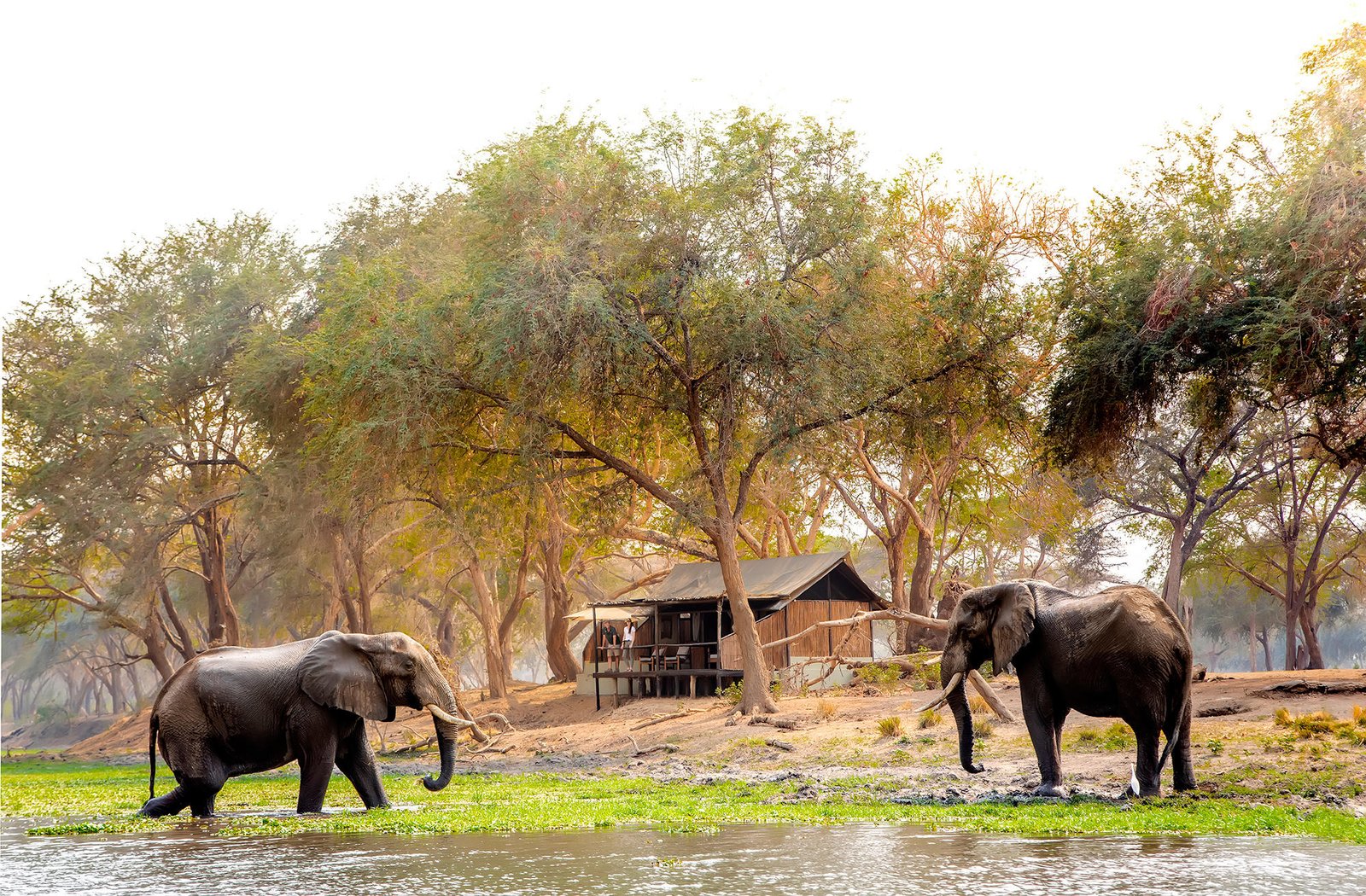
Elephants regularly wander through camp, while the surrounding area is particularly rewarding for leopard, lion, wild dog, buffalo and hippo. Days can be spent exploring by 4×4, on foot or on the water, with expert guides tailoring activities around wildlife movements and conditions. With no unnecessary distractions and a strong focus on the natural environment, Old Mondoro offers an immersive, traditional bush-camp experience.
Key Highlights
- Just five bush chalets, creating an intimate and highly personal safari experience
- • Exceptional elephant encounters, with wildlife frequently moving through camp
- • Excellent leopard, lion and wild dog viewing
- • Day and night game drives and guided bush walks
- • Canoe trips and river safaris on the Zambezi
- • Remote setting beneath mature winterthorn trees
- • Fully off-grid, with the camp powered by solar energy
- • Strong conservation ethos and low-impact approach to wildlife viewing
Seasonality
Old Mondoro operates during the dry safari season, approximately May to mid-November. May and June bring greener landscapes and cooler conditions, while July to October is peak season, with increasingly dry conditions concentrating wildlife around the Zambezi and other water sources. October can be particularly hot, while the shoulder season from mid-October into November offers a quieter end to the safari season.
Experience Types
DETAILS
ACCESS & LOGISTICS
The main international gateway is Lusaka. From Lusaka, guests typically take a light-aircraft flight to the Lower Zambezi, followed by a transfer to camp. Old Mondoro is located within Lower Zambezi National Park on the banks of the Zambezi River, around one hour by road from Jeki Airstrip. Transfers and onward arrangements are normally coordinated as part of the safari itinerary.
CONSERVATION CREDENTIALS
CONSERVATION PARTNERSHIPS
Conservation Lower Zambezi (CLZ); BioCarbon Partners; Zambia Carnivore Programme; Lower Zambezi National Park conservation initiatives; Pack for a Purpose.
SUPPORT PROVIDED
Chiawa Safaris supports conservation through direct funding, fundraising, logistical assistance and wildlife monitoring. Its long-standing relationship with Conservation Lower Zambezi supports protection of the wider ecosystem, while guides contribute wildlife sightings and large-carnivore information to conservation researchers. The company also funds verified forest conservation through BioCarbon Partners and actively promotes low-impact wildlife viewing and responsible guiding.
GUEST CONTRIBUTIONS
Mandatory National Park and conservation charges form part of guests’ stays, supporting the protection of the Lower Zambezi landscape. Chiawa Safaris also raises funds from guests to support conservation initiatives and verified forest protection and carbon-reduction programmes in Zambia.
CONSERVATION VISITS
Guests can learn about the conservation work protecting the Lower Zambezi through their guides and during their stay. Visits to conservation partners may be possible by prior arrangement and are subject to availability and operational requirements; they should not be considered a standard safari activity.
LOCAL EMPLOYMENT
Chiawa Camp and Old Mondoro collectively employ more than 70 people in Zambia, supporting more than 500 dependants. Chiawa Safaris invests in long-term training and mentoring, with team members progressing from entry-level roles into positions including professional guides and camp management.
COMMUNITY PROJECTS SUPPORTED
Chiawa Safaris supports community initiatives in and around the Lower Zambezi and participates in Pack for a Purpose, enabling guests to bring requested supplies for local projects. The camps also support local livelihoods through employment, training and purchasing from Zambian producers and suppliers.
COMMUNITY ENGAGEMENT
Community visits are not promoted as a standard guest activity. Guests who wish to contribute can participate in initiatives such as Pack for a Purpose, bringing specifically requested supplies for supported local projects.
ENVIRONMENTAL SUSTAINABILITY
WATER MANAGEMENT
Water use is carefully managed in this sensitive wilderness environment. Chiawa Safaris uses managed greywater drainage systems and provides guests with reusable stainless-steel drinking bottles, reducing dependence on single-use bottled water.
WASTE MANAGEMENT
Old Mondoro follows a strict “trash in, trash out” policy alongside a reduce, reuse and recycle approach. Packaging and other materials are reused where possible, biodegradable guest amenities are prioritised, and reusable water bottles have substantially reduced single-use plastic. Charcoal is not used; bio-friendly briquettes are used instead.
FOOD SOURCING
Fresh fruit and vegetables are sourced from Zambezi Harvest, a village cooperative farming on the banks of the Zambezi. Other ingredients are sourced through Zambian suppliers, with an emphasis on purchasing as close to home as possible. Menus can also be adapted for individual dietary requirements.
ADDITIONAL INITIATIVES
Old Mondoro is designed as a low-impact camp that blends into its natural surroundings and uses renewable and locally sourced materials wherever possible. Chiawa Safaris encourages non-motorised activities such as walking and canoeing, limits off-road driving, uses red-light technology on night drives and operates more fuel-efficient four-stroke boat engines. Old Mondoro is also certified Climate Positive, with calculated emissions more than offset through verified forest conservation projects in Zambia.
CONSERVATION INSIGHT
NATURE & CONSERVATION IN THE VISITOR EXPERIENCE
Nature is at the heart of the Old Mondoro experience. Elephants and other wildlife regularly move through the unfenced camp, while game drives, walking safaris, canoeing and boat safaris allow guests to explore the Lower Zambezi with experienced guides. Along the way, guides interpret animal behaviour, tracks, habitats and the relationships between species, while explaining conservation challenges such as poaching, habitat protection and human-wildlife coexistence. Guests also learn how responsible tourism and conservation partnerships help protect the wider Lower Zambezi ecosystem.
RELEVANT SPECIES
CONSERVATION THEMES
CERTIFICATIONS & MEMBERSHIPS
Other: Certified Climate Positive through Green Tourism