ABOUT
In the heart of the Mara North Conservancy, this camp offers an intimate tented safari where nature unfolds at your doorstep.
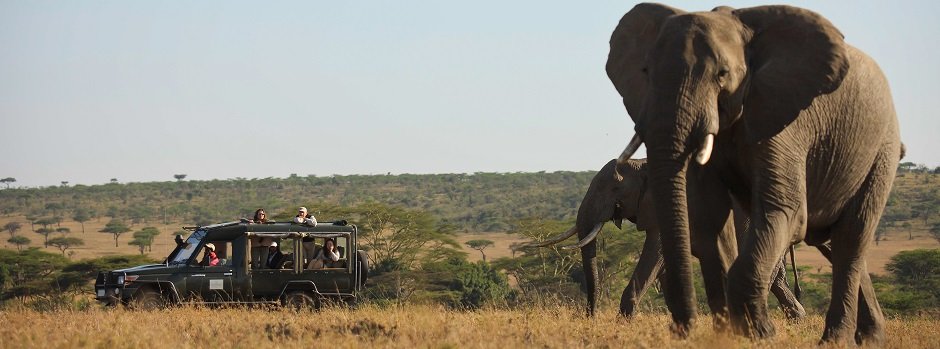
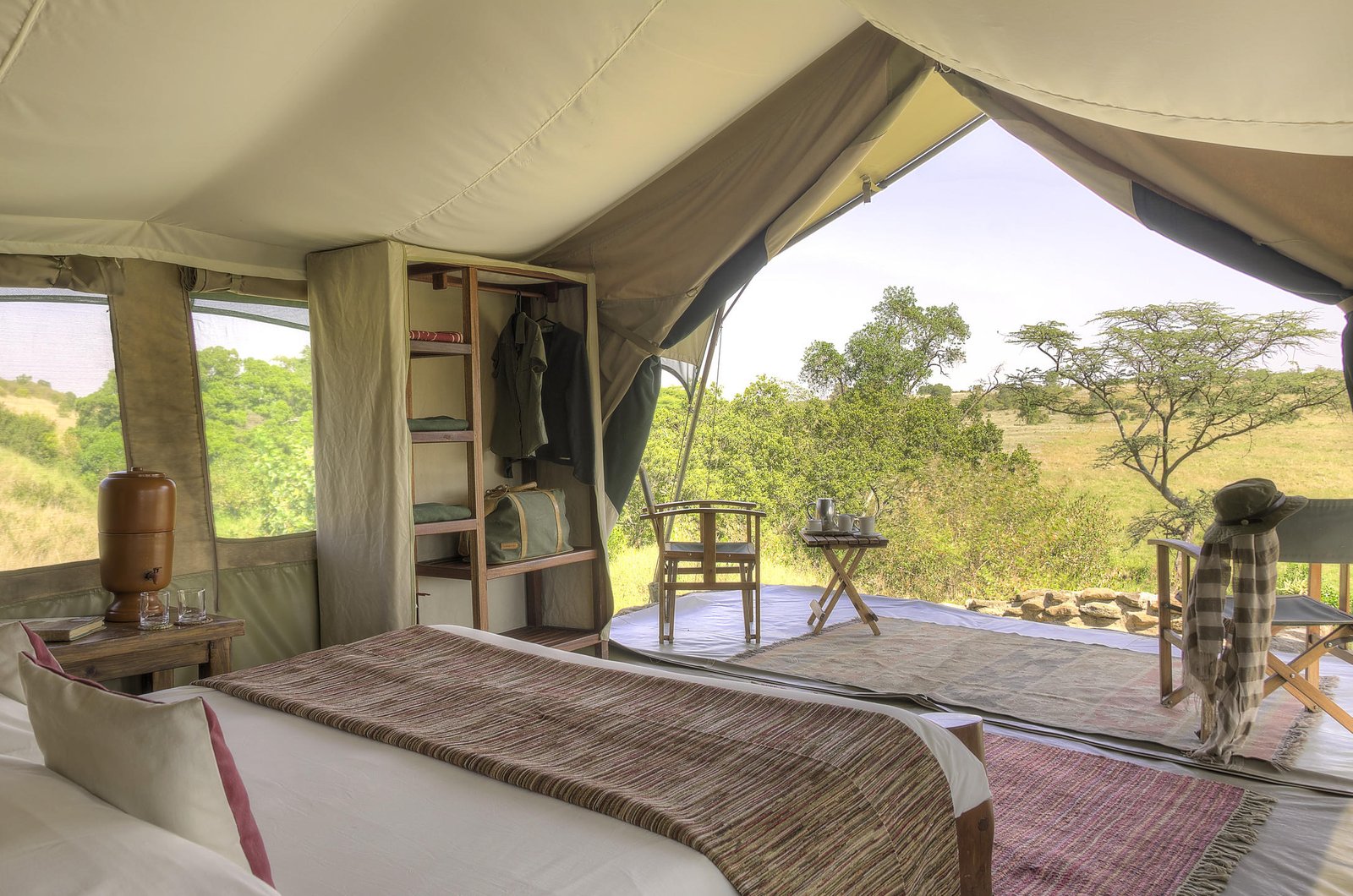
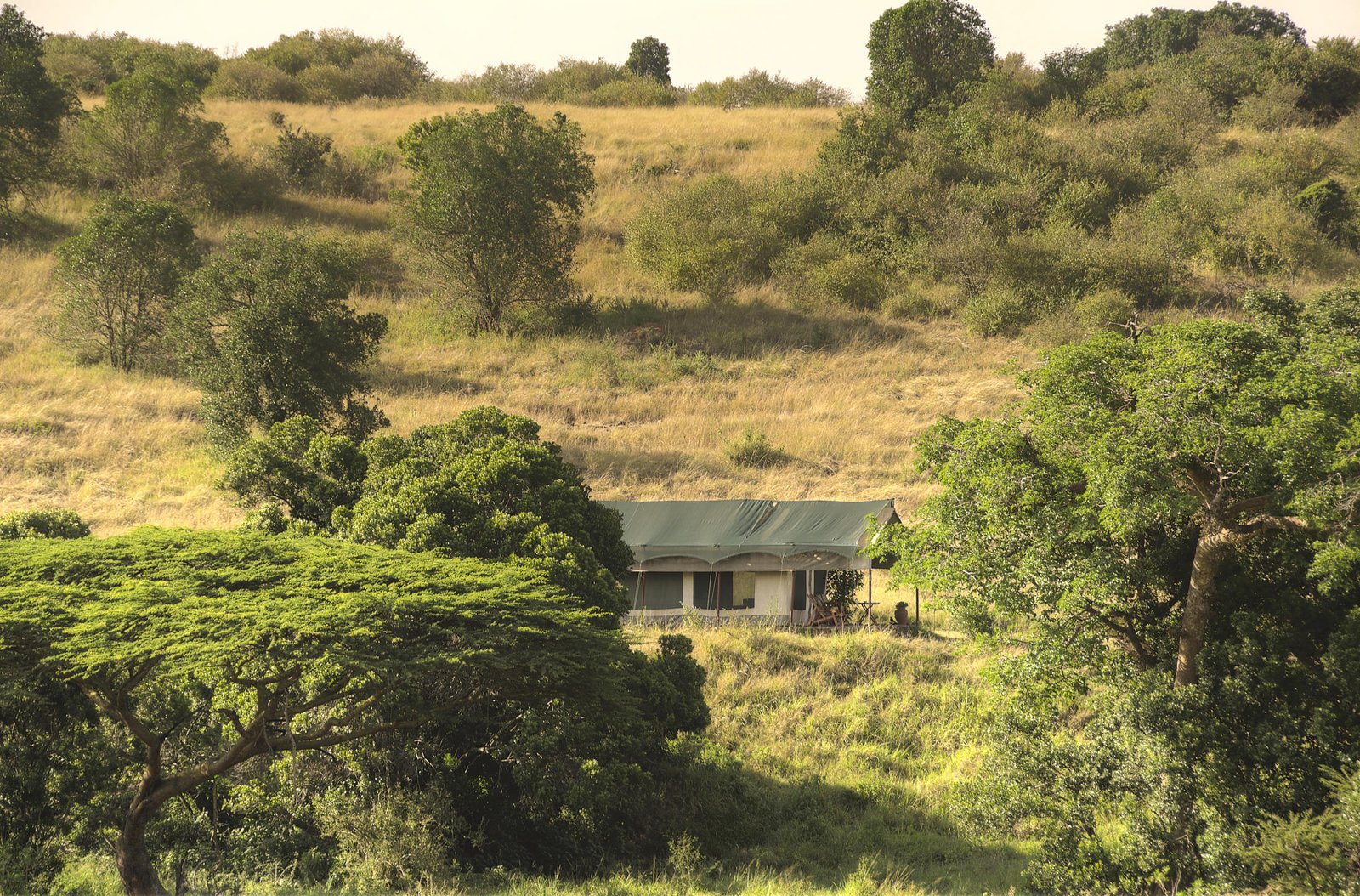
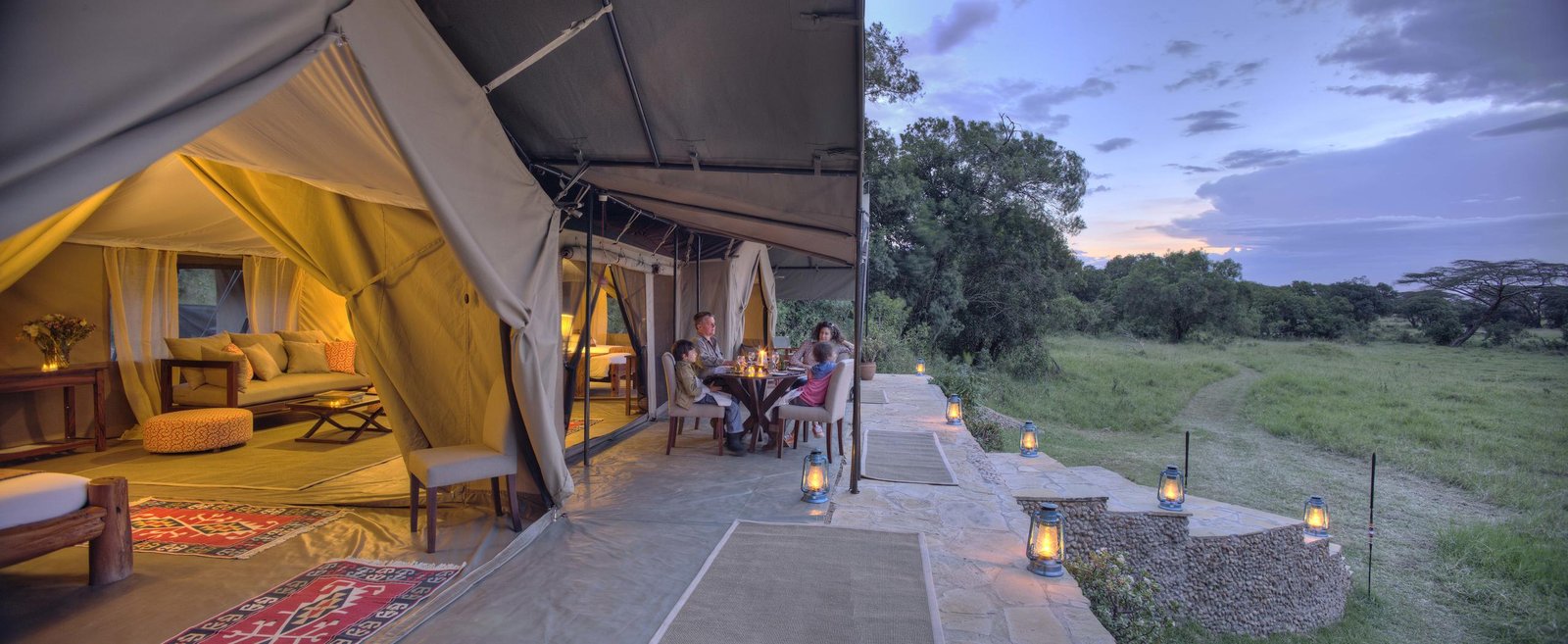
Kicheche Mara Camp is an intimate, unfenced tented camp hidden in Acacia Valley within Kenya’s wildlife-rich Mara North Conservancy. Spacious canvas tents overlook the seasonal Olare Orok stream and surrounding plains, where wildlife often wanders close to camp. Expert guiding, low vehicle densities and flexible game drives create an exceptional safari experience, while bush walks, warm hospitality and relaxed communal dining preserve the atmosphere of a traditional, thoughtfully run African bush camp throughout each stay.
Key Highlights
- Exceptional wildlife location – The camp occupies a secluded acacia valley where game viewing frequently begins within sight of camp.
- Intimate, unfenced setting – Wildlife can move freely through the surrounding landscape, creating an immersive bush experience.
- Expert-guided game drives – Customised safari vehicles and highly qualified guides provide rewarding wildlife encounters throughout Mara North.
- Walking and wild camping – Guided bush walks and overnight wilderness camping offer alternative ways to explore the conservancy.
- Conservation and community experiences – Guests can join Masai beading sessions, community visits and arranged visits to the Mara Elephant Project.
Seasonality
Wildlife viewing is rewarding year-round. July to October brings migrating wildebeest and dry conditions, but also peak demand. January to March offers warm weather, resident wildlife and predator activity. The greener months, particularly November and April to May, bring dramatic skies, abundant birdlife and fewer visitors, although rain is possible.
Experience Types
DETAILS
ACCESS & LOGISTICS
Most guests take a 45-minute scheduled flight from Nairobi’s Wilson Airport to Mara North Airstrip. A Kicheche guide meets arriving guests and drives them to camp in around 20 minutes, with the transfer often becoming the first game drive.
The camp can also be reached by road from Nairobi, taking approximately five to six hours, depending on traffic, weather and road conditions.
CONSERVATION CREDENTIALS
CONSERVATION PARTNERSHIPS
Mara North Conservancy
Kicheche Mara is a tourism partner within this 73,000-acre community conservancy. Mara North is based on agreements with more than 800 Maasai landowners, who lease their land for wildlife conservation and receive regular income from tourism.
Kicheche Community Trust
Kicheche’s own charitable trust supports communities around Mara North and its other conservancies. Its work is organised around education, healthcare, community empowerment, and environmental conservation. Projects include bursaries, school equipment, medical camps, clinic support, menstrual-health programmes, women’s training, youth digital skills, tree nurseries, beekeeping and wildlife clubs.
Mara Elephant Project
The camp works with the Mara Elephant Project, which protects elephants through monitoring, ranger operations, anti-poaching work and measures to reduce human–elephant conflict. Guests at Kicheche Mara can arrange a visit or conservation presentation covering elephant tracking, GPS collars, conflict mitigation and field operations.
Kenya Wildlife Trust
Kicheche has an ongoing, group-wide partnership with Kenya Wildlife Trust. Current work includes a fundraising appeal for a dedicated cheetah research and patrol vehicle, conservation education, school art programmes and presentations about cheetah conservation.
The Long Run
Kicheche Mara North is a member of The Long Run, an international sustainable-tourism initiative based on the principles of Conservation, Community, Culture and Commerce. This provides a framework for balancing habitat protection, community benefits and responsible tourism.
SUPPORT PROVIDED
Kicheche states that 25% of its overall turnover is allocated to wildlife conservation and habitat management across its conservancies. Tourism payments help fund protected-land management, conservancy rangers and leases paid directly to community landowners. These payments give families an economic incentive to retain land for wildlife rather than converting it to incompatible uses.
Kicheche Camps also contributes more than US$60,000 annually to the Kicheche Community Trust. Additional funding comes from guests, including donations made during or after their stay. The Trust supports projects across Mara North and Kicheche’s other operating areas.
The camp has a Community Trust ambassador who helps oversee local projects. Practical activities include supplying schools, funding bursaries, supporting the Aitong clinic, helping to pay a clinical officer’s salary, organising free medical camps, establishing wildlife clubs and running educational game drives for local children.
Guests can attend community talks, visit selected local initiatives and learn Masai beadwork from local women. These experiences introduce visitors to the relationship between tourism, landownership, wildlife conservation and community livelihoods.
GUEST CONTRIBUTIONS
Conservancy fees are normally included in a Kicheche Mara safari package. These fees are passed to Mara North Conservancy and help finance Masai land leases, ranger operations, habitat management and the administration of the protected area. Simply staying at the camp therefore contributes directly to keeping land available for wildlife.
The camp shop sells handicrafts, jewellery, textiles, carvings and other items. Guests can also purchase books specifically for schools supported by Kicheche. Buying beadwork and crafts directly from Masai women and community producers provides additional income for local families.
CONSERVATION VISITS
Kicheche can arrange a two-to-three-hour Mara Elephant Project conservation experience. Guests learn about elephant tracking, anti-poaching work and human–elephant conflict, with a discretionary donation requested in support of the project. Guests can also visit local schools and clinics upon request.
LOCAL EMPLOYMENT
Kicheche Mara Camp gives priority to recruiting suitably qualified people from the surrounding Masai communities. Staff are recruited from outside the local area only when candidates with the required skills or experience are unavailable. Ecotourism Kenya reports that up to 75% of employees are drawn from the local community, while casual labour is also sourced locally.
The camp also focuses on long-term career development rather than entry-level employment alone. Staff receive training in English, computing, cookery, baking, hospitality, conservation, health and safety, and professional guiding. Employees may rotate between Kicheche camps, gain new qualifications and progress through internal promotion.
Kicheche supports local young people through internships, trainee positions and sponsorship at the Koiyaki Guiding School. Graduates are employed as guides and trainee guides, helping local residents progress into skilled and better-paid tourism roles.
COMMUNITY PROJECTS SUPPORTED
Kicheche Mara supports local communities through the Kicheche Community Trust. Its projects include school bursaries, books, computer facilities and vocational training, alongside support for Aitong clinic, free medical camps and menstrual-health programmes. The Trust also funds women’s skills training, youth digital education, beekeeping, tree nurseries and conservation clubs. Children can join educational safari activities, while tourism revenue provides employment, land-lease income and wider support for families living around Mara North Conservancy and neighbouring Masai settlements.
COMMUNITY ENGAGEMENT
Visits should be arranged through Kicheche Mara North when booking or with the camp manager after arrival. Guests can join a Community Discovery Trip, attend a Kicheche Community Trust talk, take part in beadwork sessions led by Masai women or visit the Mara Elephant Project for a two-to-three-hour conservation experience. Visits to schools, clinics or other Trust-supported projects depend on local schedules, community consent and operational needs, so advance notice is recommended. Donations to participating projects are welcomed.
ENVIRONMENTAL SUSTAINABILITY
WATER MANAGEMENT
Kicheche Mara carefully monitors water use through daily meter readings linked to guest occupancy. Water is drawn from a borehole, solar-pumped to storage tanks, and supplemented by harvested rainwater. Low-flow 20-litre bucket showers, towel reuse, water-saving briefings and efficient irrigation help reduce consumption.
WASTE MANAGEMENT
Kicheche Mara follows a reduce, reuse and recycle policy. Waste is separated at source into paper, plastic, metal and glass, then sorted for recycling. Organic kitchen waste is composted in a pit to prevent wildlife access. Refillable dispensers, bulk purchasing, reusable containers and rechargeable torches reduce packaging and battery waste. Recyclable materials are transported to approved recycling centres by a licensed waste operator.
FOOD SOURCING
The Camp has a large garden, protected from hungry wildlife by a strong fence, that provides all herbs and most seasonal vegetables and some fruit. They also source as much meat and other product from local villagers and suppliers as possible.It reduces the environmental impact of food procurement by receiving other fruit and vegetables in reusable crates, storing meat and dairy safely in freezers, and buying dry goods such as rice, sugar and flour in bulk. Supplies are transferred into reusable containers, helping to minimise packaging waste and unnecessary deliveries.
CONSERVATION INSIGHT
NATURE & CONSERVATION IN THE VISITOR EXPERIENCE
Guests learn about the Mara ecosystem through game drives with expert Maasai guides, who interpret animal behaviour, tracks, habitats and conservation challenges. Guided bush walks provide a closer look at plants, insects and smaller wildlife. Guests can also book a Mara Elephant Project talk or visit to explore elephant tracking, GPS monitoring, anti-poaching and human–wildlife conflict. Community visits and Trust presentations explain how tourism, Maasai livelihoods and wildlife protection are interconnected.
RELEVANT SPECIES
CONSERVATION THEMES
CERTIFICATIONS & MEMBERSHIPS
Other: Ecotourisn Kenya Gold Eco-Rating