
ABOUT THE PROJECT
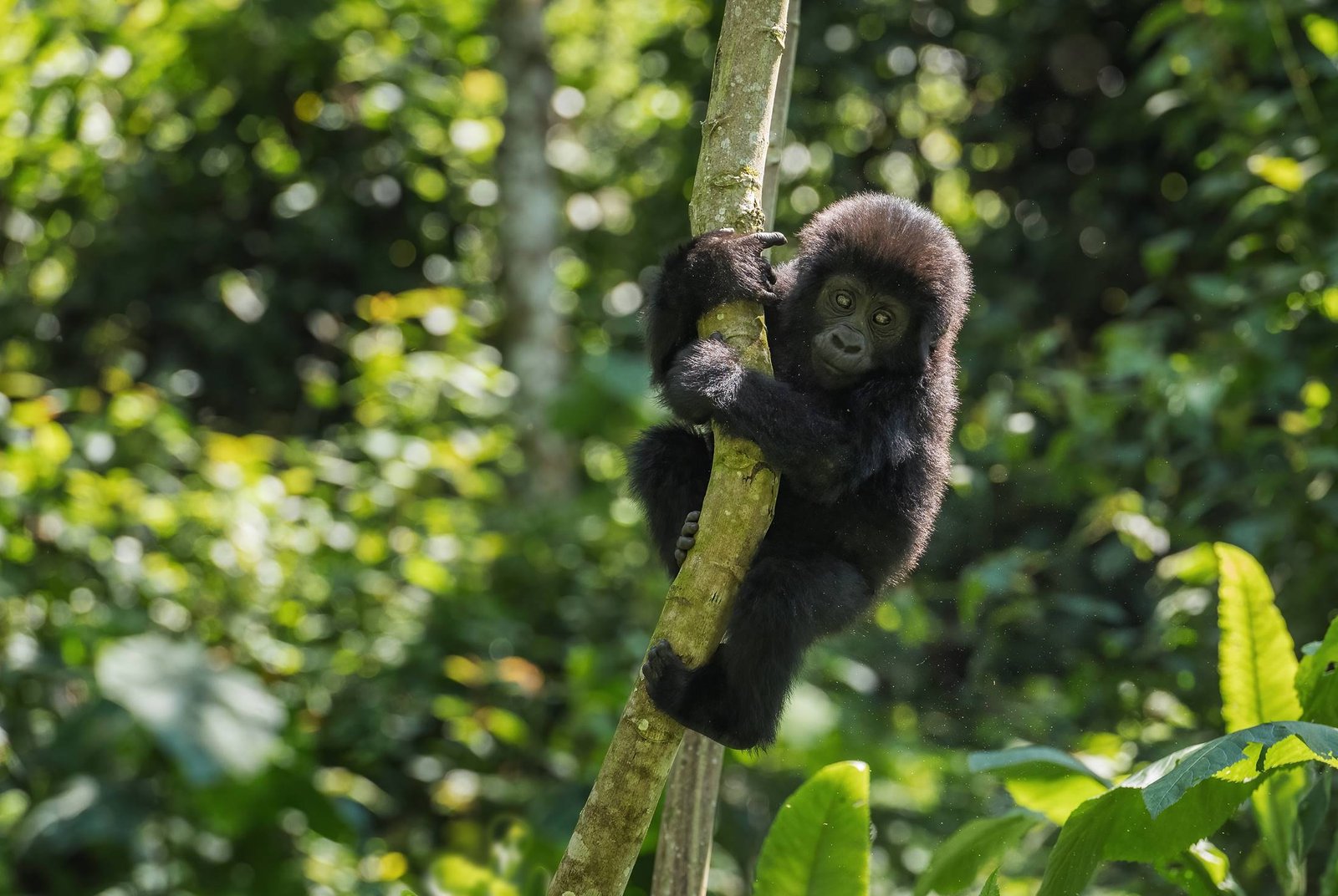
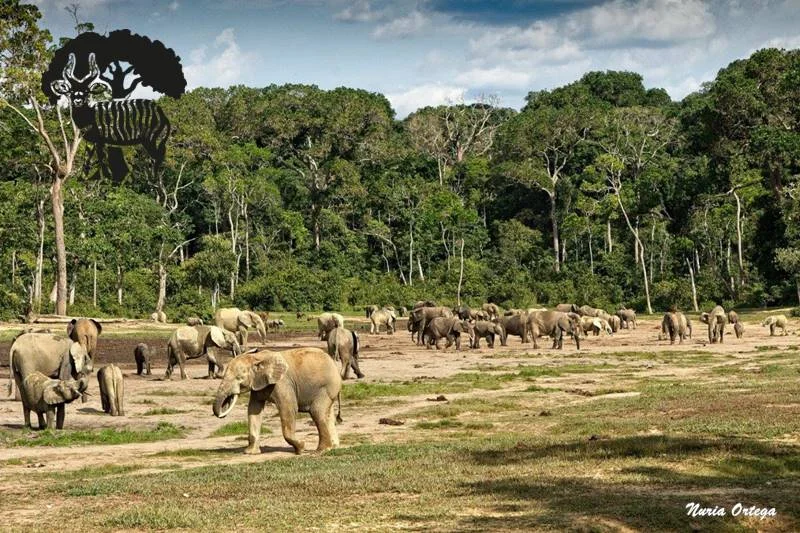
The Dzanga-Sangha Protected Areas form a major rainforest conservation landscape in south-western Central African Republic, combining Dzanga-Ndoki National Park with the multi-use Dzanga-Sangha Special Reserve. Co-managed by the national government and WWF, the programme protects forest elephants, western lowland gorillas and other Congo Basin wildlife while supporting Ba’Aka and Sangha-Sangha communities. Its long-term work spans anti-poaching, wildlife research, gorilla habituation, healthcare, education, sustainable livelihoods, Indigenous rights and carefully managed ecotourism.
IMPACT
Impact Snapshot
Conservation Impact
Dzanga-Sangha’s work protects one of the Congo Basin’s most important remaining rainforest ecosystems, helping maintain stable populations of forest elephants and western lowland gorillas despite intense regional pressures. Long-term ranger patrols and anti-poaching operations remove thousands of snares and combat wildlife crime, while research and monitoring improve understanding of threatened species. Just as importantly, conservation provides employment, healthcare, education and livelihood opportunities for local and Indigenous Ba’Aka communities, linking the long-term survival of the forest with benefits for the people who live alongside it.
The Conservation Challenge
The biggest threats facing Dzanga-Sangha are:
Poaching and wildlife trafficking – particularly targeting forest elephants for ivory, alongside hunting and snaring of other wildlife for bushmeat.
Habitat loss and degradation – logging, mining and expanding human activity place increasing pressure on the wider Congo Basin forest surrounding the protected area.
Political instability and insecurity – instability in the Central African Republic can make conservation operations, law enforcement and tourism more difficult.
Human–wildlife conflict – particularly around elephants entering farms and damaging crops, which can undermine local support for conservation.
Climate change – changing rainfall, temperatures and forest ecology present a growing long-term threat to this highly biodiverse rainforest ecosystem.
Addressing these challenges will help secure one of the Congo Basin’s most important rainforest ecosystems for the long term. Stronger wildlife protection and reduced habitat loss will give forest elephants, western lowland gorillas and countless other species space to thrive, while reducing human–wildlife conflict can strengthen local support for conservation. Crucially, a healthy and secure Dzanga-Sangha also protects local livelihoods, Indigenous Ba’Aka culture and knowledge, and the forest’s vital role in storing carbon and regulating the wider environment.
WHAT'S NEEDED NOW
Forest Elephant Tracking
£10,000 GBP£10,000 would support three GPS collars and 24 months of monitoring, enabling Dzanga-Sangha’s researchers to follow forest elephants as they move through the dense Congo Basin rainforest.
TRAVEL CONNECTION
Suggested Camps & Experiences
The best way to experience Dzanga-Sangha is to spend several days exploring the rainforest with local Ba’Aka trackers and specialist guides. Highlights include watching forest elephants gather at Dzanga Bai, tracking habituated western lowland gorillas, and joining forest walks that reveal the extraordinary biodiversity of the Congo Basin. Time with Ba’Aka guides adds an important human dimension, sharing generations of knowledge about the forest and helping travellers understand how wildlife conservation, Indigenous culture and local livelihoods are closely connected.
Travel Partnerships
Doli Lodge
WAYS TO SUPPORT
Donate
Make a direct contribution to this conservation project and help protect wildlife on the ground.
DONATE TO THIS PROJECTFundraise
Rally your friends and community to support this project. Every bit helps.
START FUNDRAISINGTravel
See wildlife in the wild while supporting conservation on the ground. Visits to EAE partner projects can be arranged.
EXPLORE CENTRAL AFRICAN REPUBLIC