

ABOUT THE PROJECT
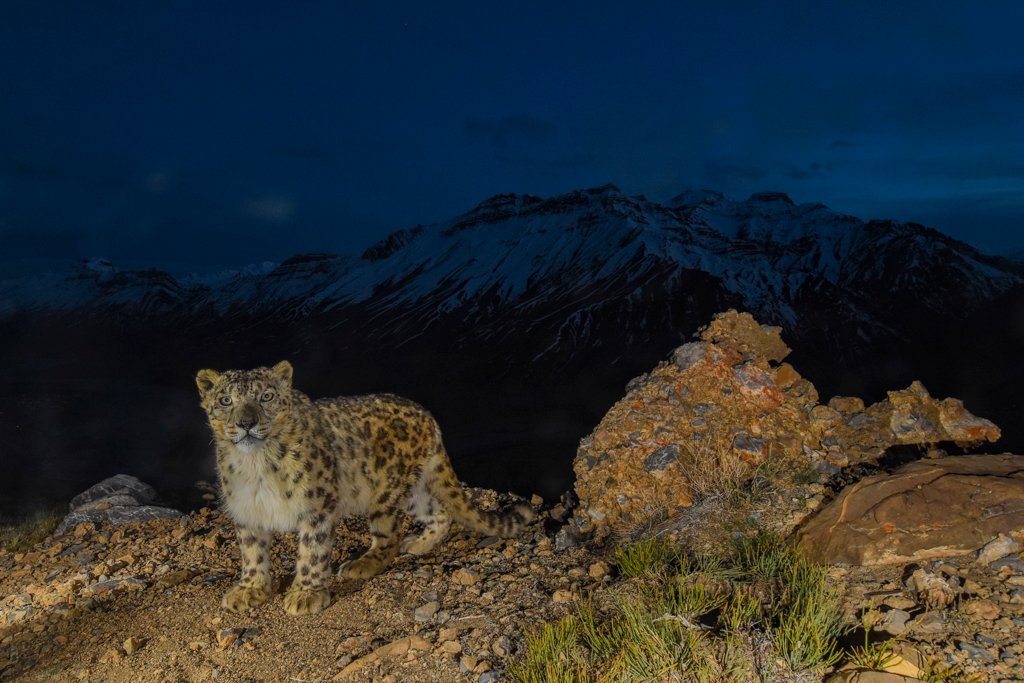
NCF works in the high-altitude landscapes of Himachal Pradesh to protect snow leopards through research, monitoring and community-based conservation. Their work improves understanding of this elusive species while supporting coexistence with local communities.
Charity Number: FCRA
VISIT OFFICIAL WEBSITEIMPACT
Impact Snapshot
Conservation Impact
The Nature Conservation Foundation’s snow leopard programme works to protect one of the world’s most elusive big cats while supporting the fragile high-altitude ecosystems and communities that share its range. Through long-term scientific research, wildlife monitoring, community engagement, and climate change studies, the programme is helping to improve our understanding of snow leopards and the challenges they face across the Indian Himalayas. By generating robust scientific data and working closely with local people, NCF supports evidence-based conservation that benefits snow leopards, their prey species, and the wider mountain landscapes upon which both wildlife and communities depend.
The Conservation Challenge
Snow leopards inhabit some of the world’s most remote and challenging landscapes, but these high-mountain ecosystems are increasingly threatened by climate change, habitat degradation, and changing land-use patterns. Rising temperatures are altering vegetation zones and water availability, while expanding infrastructure and human activities can fragment important habitats. Human-wildlife conflict also remains a challenge, particularly where snow leopards prey on livestock, creating economic pressures for local communities.
Addressing these challenges will help secure a future for snow leopards and the unique mountain ecosystems they inhabit. Better understanding the impacts of climate change, habitat use, and human-wildlife interactions will enable more effective conservation planning and support coexistence between local communities and wildlife. Protecting snow leopards also helps safeguard entire Himalayan ecosystems, benefiting a wide range of species and preserving vital watersheds that millions of people depend upon downstream. In the long term, successful conservation will ensure these iconic mountains remain resilient, biodiverse, and productive for both people and nature.
WHAT'S NEEDED NOW
Camera Trap
$250 USDA camera trap is a motion-activated wildlife camera used to monitor elusive species such as snow leopards, wolves, red foxes, and Himalayan ibex. Operating day and night in remote mountain habitats, camera traps collect vital data with minimal disturbance to wildlife.
Field Kit for Researchers & Trackers
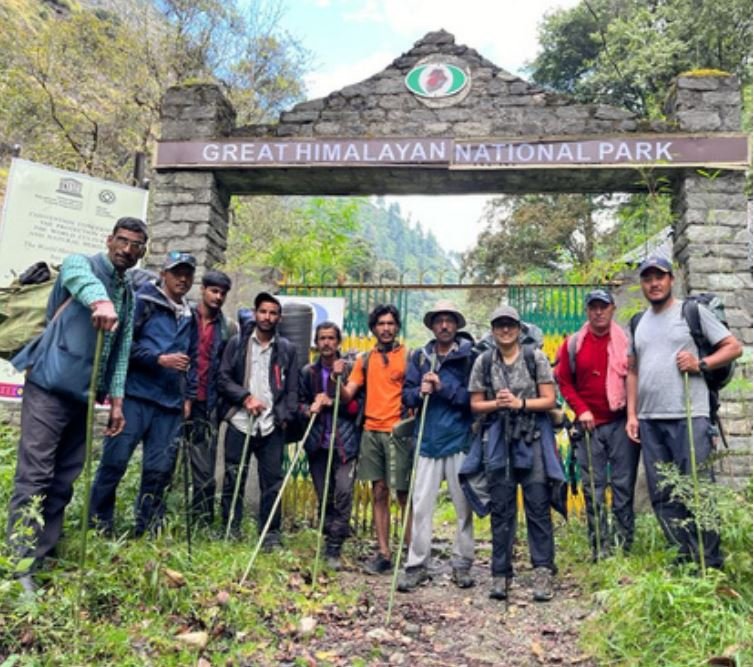
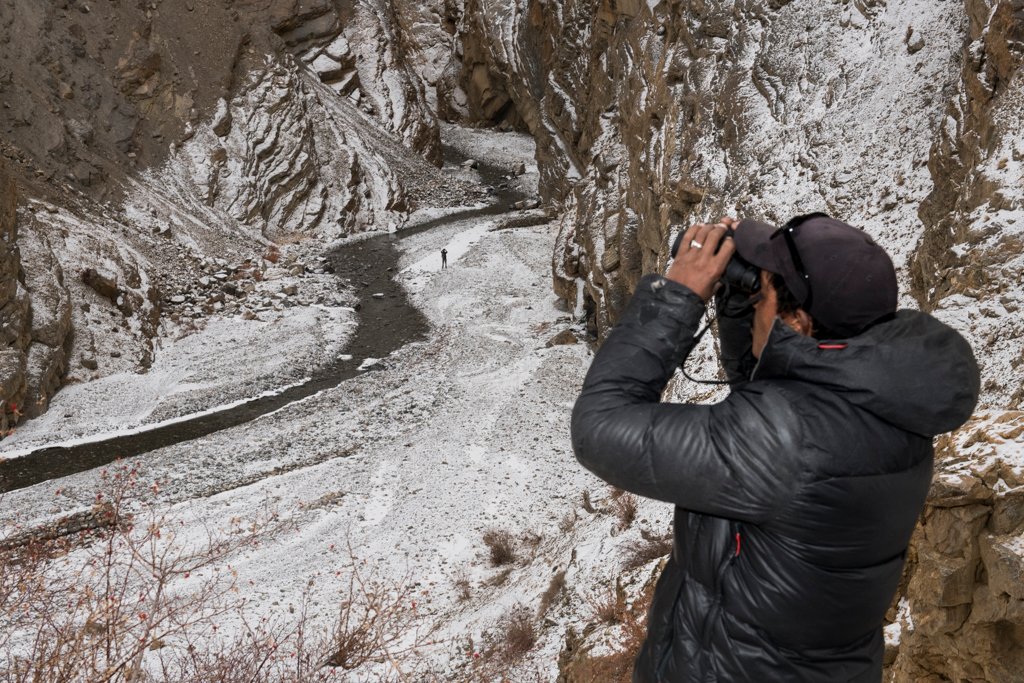
$5,000 USDField kits provide researchers and local wildlife trackers with the essential equipment needed to work safely and effectively in the high-altitude landscapes of the Indian Himalayas. Equipment may include backpacks, GPS units, binoculars, field clothing, camping gear, batteries, and data collection tools.
TRAVEL CONNECTION
Suggested Camps & Experiences
One of the best ways to connect with our work is by visiting the high-altitude landscapes of Spiti Valley in Himachal Pradesh, where much of NCF’s snow leopard research and conservation takes place. Responsible wildlife tourism offers visitors an opportunity to learn about snow leopards, their prey species, and the challenges of conserving wildlife in a rapidly changing mountain environment. Guided walks, wildlife tracking experiences, community homestays, and opportunities to learn from local conservation practitioners provide valuable insights into how science, conservation, and local communities are working together to protect one of the Himalayas’ most iconic species.
Travel Partnerships
The best base for visitors interested in learning more about NCF’s snow leopard conservation work is the town of Kaza (3,650m) in Spiti Valley. Many travellers choose to stay at Sakya Abode or similar local hotels and guesthouses, using Kaza as a comfortable base from which to explore the region. NCF’s field base is located in the nearby village of Kibber (4,270m), one of the highest permanently inhabited villages in the world, while other notable destinations include Langza, Komic, Hikkim, and the spectacular Key Gompa monastery. As Spiti is a high-altitude desert, acclimatisation is extremely important. Visitors should allow time to adjust to the elevation before undertaking longer excursions, wildlife tracking activities, or visits to higher villages and mountain areas.
WAYS TO SUPPORT
Donate
Make a direct contribution to this conservation project and help protect wildlife on the ground.
DONATE TO THIS PROJECTFundraise
Rally your friends and community to support this project. Every bit helps.
START FUNDRAISINGTravel
Visitors to Spiti Valley may be able to meet members of NCF’s field team and learn more about their snow leopard research, wildlife monitoring, and community conservation work. The field base in Kibber serves as a hub for conservation activities in the region, and opportunities to visit or engage with staff may be available depending on research schedules and operational commitments. We recommend contacting NCF in advance or arranging visits through local guides or responsible tourism operators to ensure activities do not interfere with ongoing fieldwork.
EXPLORE INDIA