

ABOUT THE PROJECT
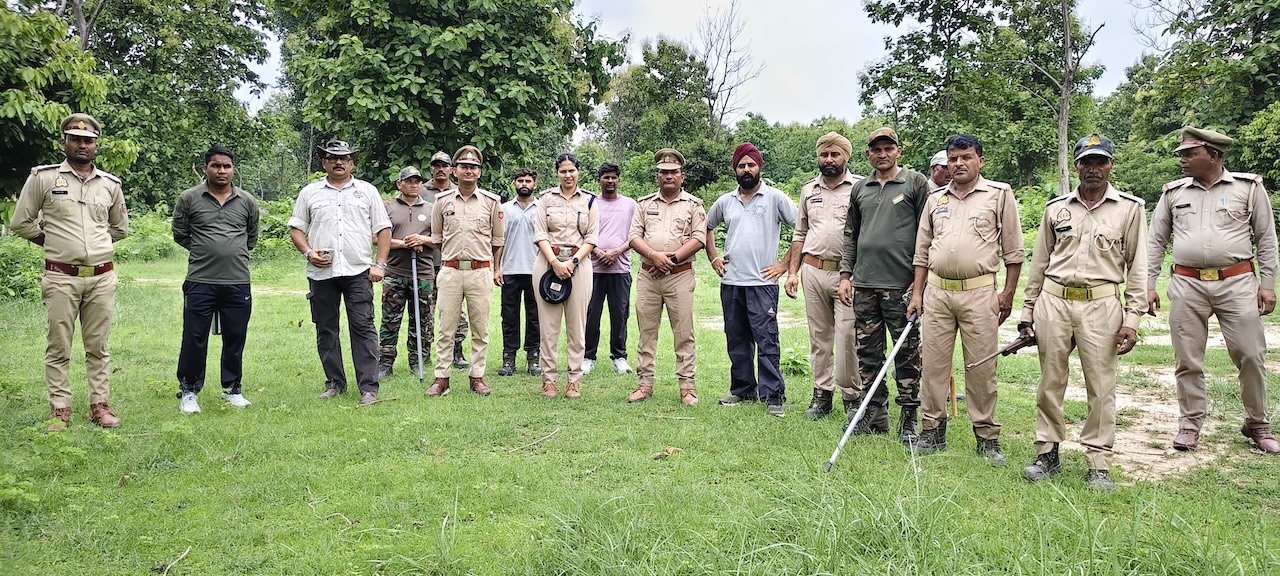
Wildlife Guardians Trust India works closely with frontline forest watchers and local communities, strengthening the people who protect wildlife on the ground every day.
IMPACT
Impact Snapshot
Conservation Impact
Wildlife Guardians Trust strengthens frontline wildlife protection by equipping and supporting forest watchers who often work in challenging and remote conditions. Its work helps improve the protection of threatened species and habitats while supporting practical solutions to human–wildlife conflict and building stronger relationships between conservation teams and neighbouring communities.
The Conservation Challenge
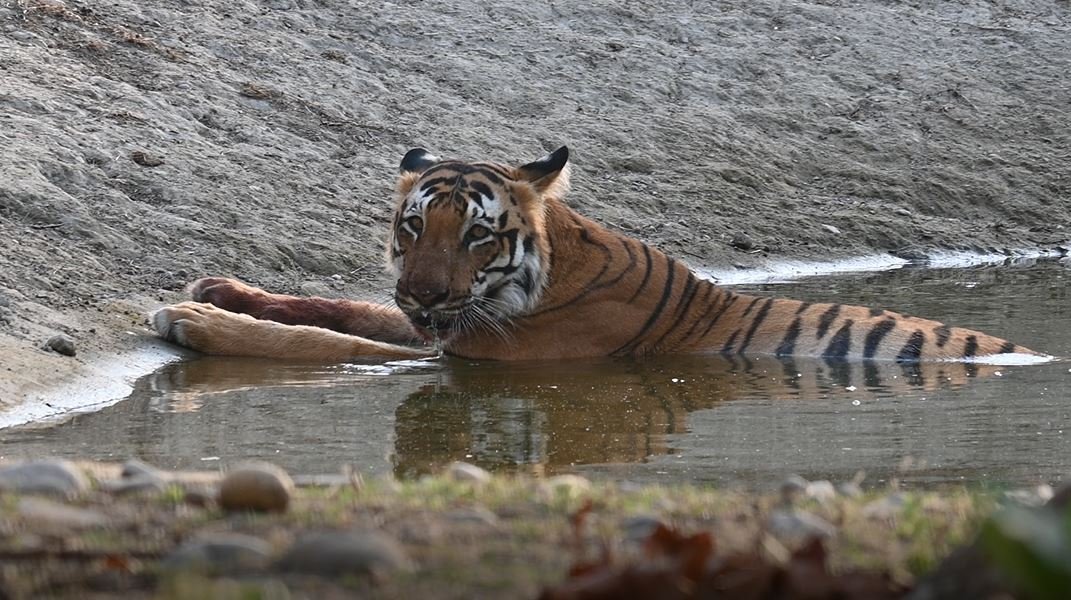
The biggest challenges include limited resources for frontline forest watchers, increasing human–wildlife conflict as people and animals compete for space and water, and pressure on habitats from development and fragmentation. In areas such as Amangarh, water scarcity during the dry season is an additional challenge, concentrating wildlife around limited water sources and increasing the likelihood of animals moving closer to communities.
Addressing these challenges means better-equipped forest watchers, safer and more resilient wildlife habitats, and fewer points of conflict between people and animals. Improving access to water and strengthening frontline protection can help wildlife remain within protected areas, while building greater trust and support for conservation among neighbouring communities.
WHAT'S NEEDED NOW
Solar Powered Pump for Waterhole
$2000 USDMany of Amangarh’s waterholes begin to dry up by April and May, while the monsoon rains may not arrive until June or July. A solar-powered water pump, costing around US$2,000, can keep a waterhole replenished throughout this critical dry period, providing a reliable source of water for a wide variety of wildlife. Keeping water available inside the protected area also helps reduce the need for animals to stray onto surrounding community land in search of water, helping to reduce human–wildlife conflict.
TRAVEL CONNECTION
Suggested Camps & Experiences
Corbett is the best place for travellers to experience the wider landscape connected to Amangarh. Amangarh itself has very limited tourism infrastructure and no established network of lodges or visitor experiences, whereas neighbouring Corbett has well-developed accommodation, expert guides and wildlife safaris. Visiting Corbett therefore gives travellers an accessible way to experience the forests, wildlife and conservation challenges of this shared ecosystem.
WAYS TO SUPPORT
Donate
Make a direct contribution to this conservation project and help protect wildlife on the ground.
DONATE TO THIS PROJECTFundraise
Rally your friends and community to support this project. Every bit helps.
START FUNDRAISINGTravel
See wildlife in the wild while supporting conservation on the ground. Visits to EAE partner projects can be arranged.
EXPLORE INDIA