ABOUT THE PROJECT
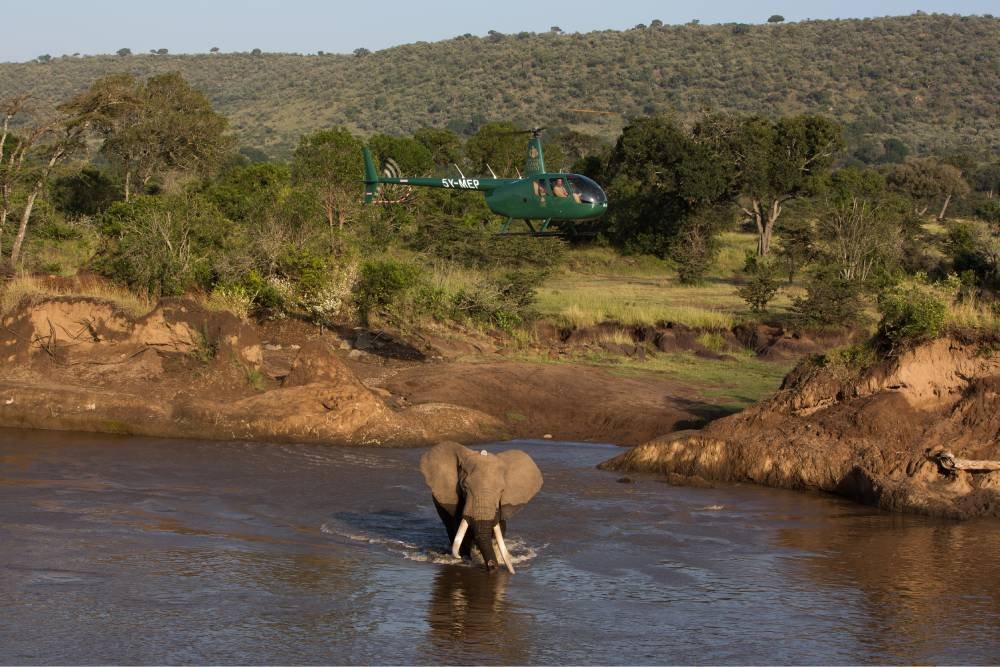
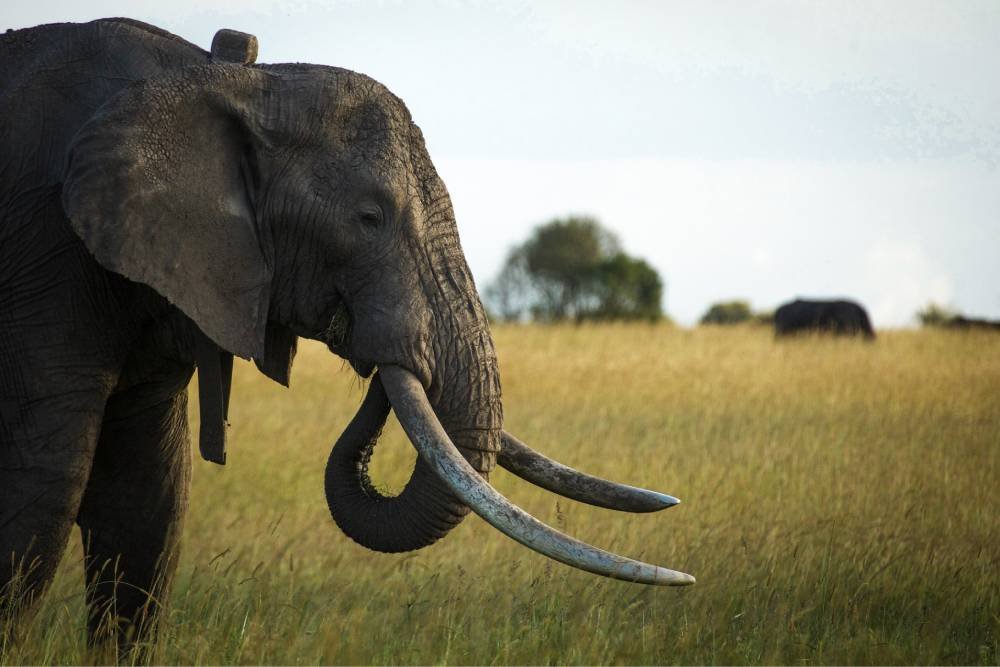
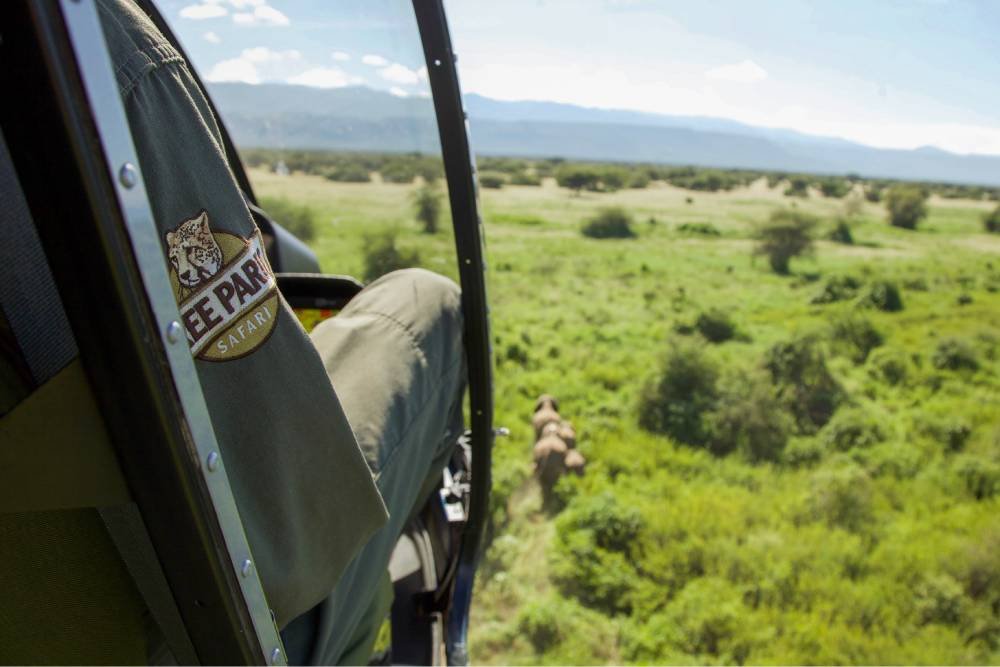
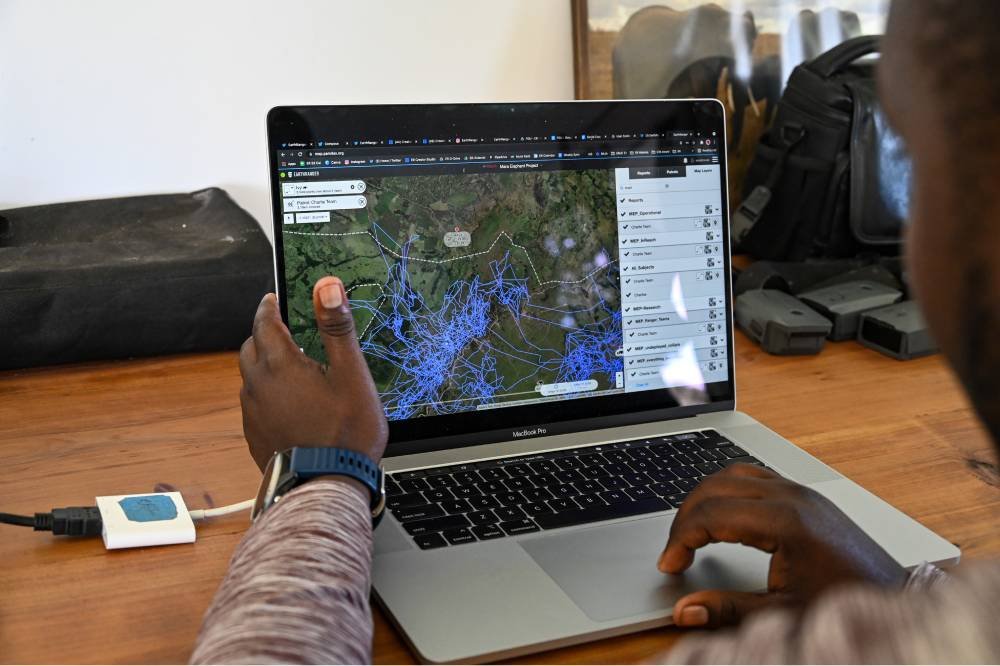
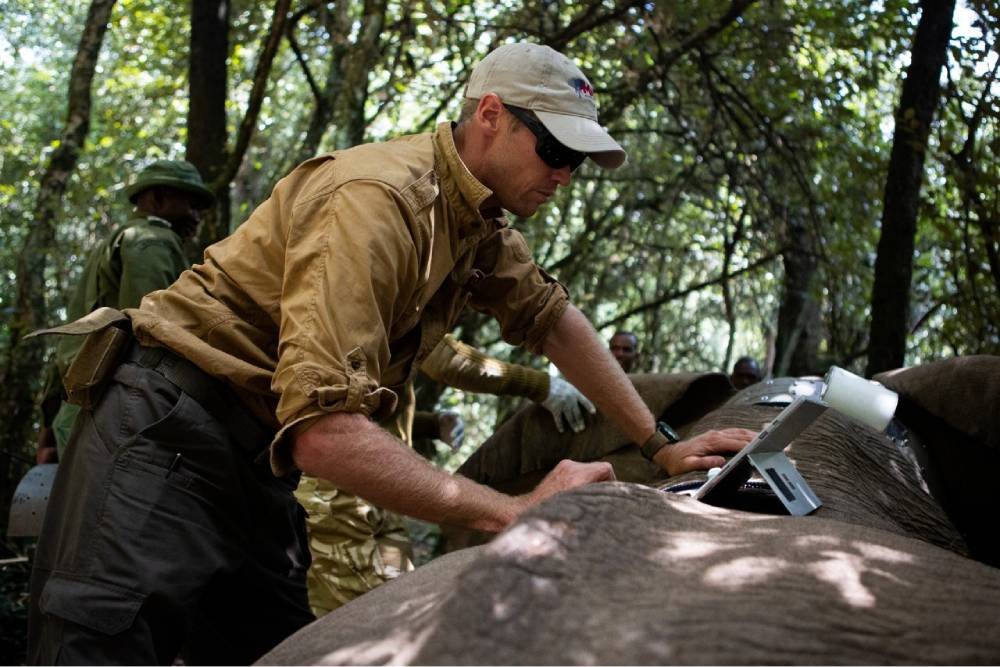
The Mara Elephant Project (MEP) is a Kenya-based conservation organisation working to protect elephants and their habitats across the Greater Maasai Mara Ecosystem. Founded in 2011 in response to rising elephant poaching and increasing human-wildlife conflict, MEP combines rapid-response ranger teams, aerial surveillance, GPS tracking technology, habitat protection and community engagement to safeguard one of Africa’s most important wildlife landscapes. Working closely with the Kenya Wildlife Service, local conservancies and communities, the organisation also focuses on protecting key wildlife corridors and promoting coexistence between people and elephants in an increasingly pressured landscape.
Charity Number: 1208374
VISIT OFFICIAL WEBSITEIMPACT
Impact Snapshot
Conservation Impact
The Mara Elephant Project works to secure a future for elephants across the Greater Mara Ecosystem by protecting key habitats, reducing human-elephant conflict, and combating poaching through intelligence-led conservation. By monitoring elephant movements, supporting rapid-response teams, safeguarding wildlife corridors, and working closely with local communities, MEP helps maintain one of East Africa's most important elephant populations. Its integrated approach benefits not only elephants but also the wider ecosystem, supporting biodiversity, promoting coexistence between people and wildlife, and helping to ensure that the Maasai Mara remains a thriving landscape for future generations.
The Conservation Challenge
The greatest challenges facing our work are habitat loss and fragmentation, increasing human-elephant conflict, and the persistent threat of poaching. As human populations grow and land is converted for agriculture, settlement and infrastructure, traditional elephant migration routes are being blocked, leading to more frequent encounters between people and wildlife. Climate change is placing additional pressure on both communities and ecosystems, increasing competition for water and grazing resources. Securing sufficient long-term funding to protect critical habitats, maintain monitoring and rapid-response teams, and support community-led conservation initiatives remains an ongoing challenge.
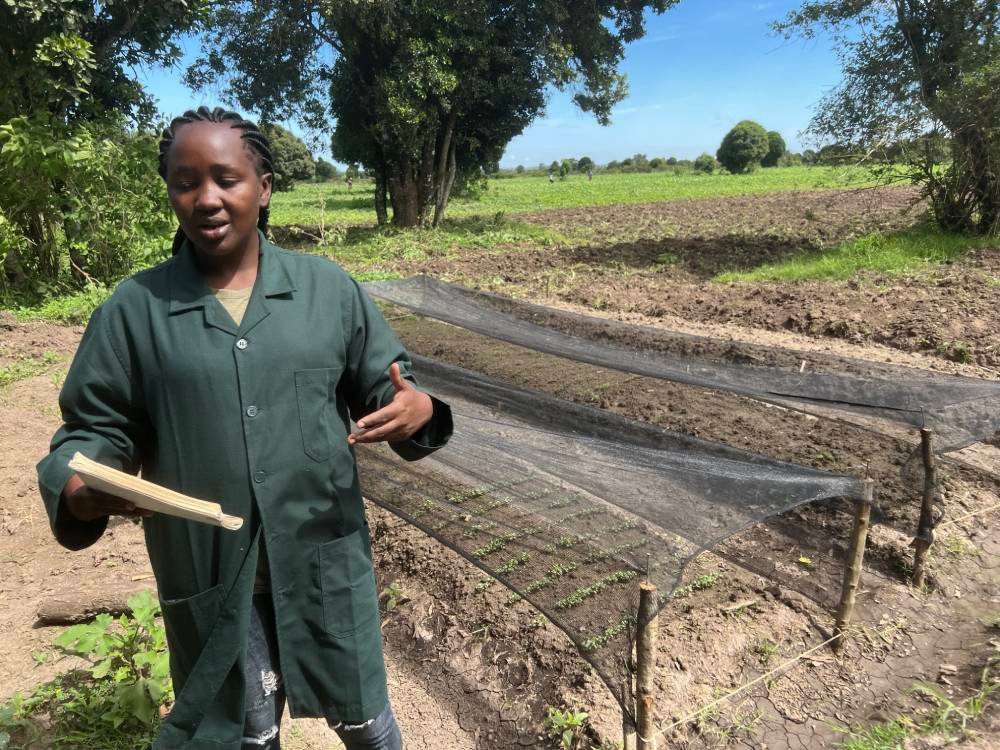
Addressing these challenges will help secure a connected and resilient landscape where elephants and people can thrive together. Protecting migration corridors and reducing conflict will allow elephants to move safely between key habitats, maintaining healthy populations and supporting the ecological processes that benefit countless other species. For local communities, improved coexistence can reduce crop losses, property damage and safety concerns while creating opportunities through conservation-related employment and tourism. In the long term, safeguarding the Greater Mara Ecosystem will help preserve one of Africa's most iconic wildlife landscapes and ensure its benefits are enjoyed by future generations.
TRAVEL CONNECTION
Suggested Camps & Experiences
The Mara Elephant Project headquarters is located within the Mara North Conservancy, one of the most successful community conservancies in Kenya and home to 11 member safari camps. Staying in the conservancy offers travellers an opportunity to experience the Greater Mara Ecosystem while directly supporting conservation and local communities. Guests can learn about elephant conservation through talks and presentations, observe wildlife in a landscape where conservation and tourism work hand in hand, and gain a deeper understanding of the challenges and successes of protecting elephants beyond the boundaries of the national reserve. Depending on availability and operational requirements, opportunities to visit the Mara Elephant Project headquarters or meet members of the conservation team may also be possible.
Travel Partnerships
Kicheche Mara Camp is the closest safari camp to the Mara Elephant Project headquarters and offers an excellent base for visitors interested in learning more about elephant conservation in the Greater Mara Ecosystem. Subject to availability and operational commitments, visits to the MEP headquarters can often be arranged, providing guests with a unique opportunity to meet members of the conservation team and gain first-hand insight into the challenges and successes of protecting elephants in Kenya.
WAYS TO SUPPORT
Donate
Make a direct contribution to this conservation project and help protect wildlife on the ground.
DONATE TO THIS PROJECTFundraise
Rally your friends and community to support this project. Every bit helps.
START FUNDRAISINGTravel
Guests staying at selected member camps within Mara North Conservancy may be able to arrange a visit to the Mara Elephant Project headquarters. These visits provide an opportunity to meet members of the team, tour the facilities, and gain a deeper understanding of the challenges and successes of elephant conservation in the Greater Mara Ecosystem. Visits are subject to operational commitments and are typically offered in return for a donation to support the organisation's work.
EXPLORE KENYA