
ABOUT THE PROJECT
Lilongwe Wildlife Trust is a Malawian conservation organisation working to save wildlife, deter nature crime and secure healthy landscapes for people and nature. Founded in 2008 alongside Lilongwe Wildlife Centre, it now combines wildlife rescue and rehabilitation, biodiversity research, environmental education, legal and enforcement support, campaigning and community-based conservation. Working with government agencies, protected areas and local communities, the Trust addresses both immediate threats to animals and the wider social and environmental pressures driving wildlife decline.
IMPACT
Impact Snapshot
Conservation Impact
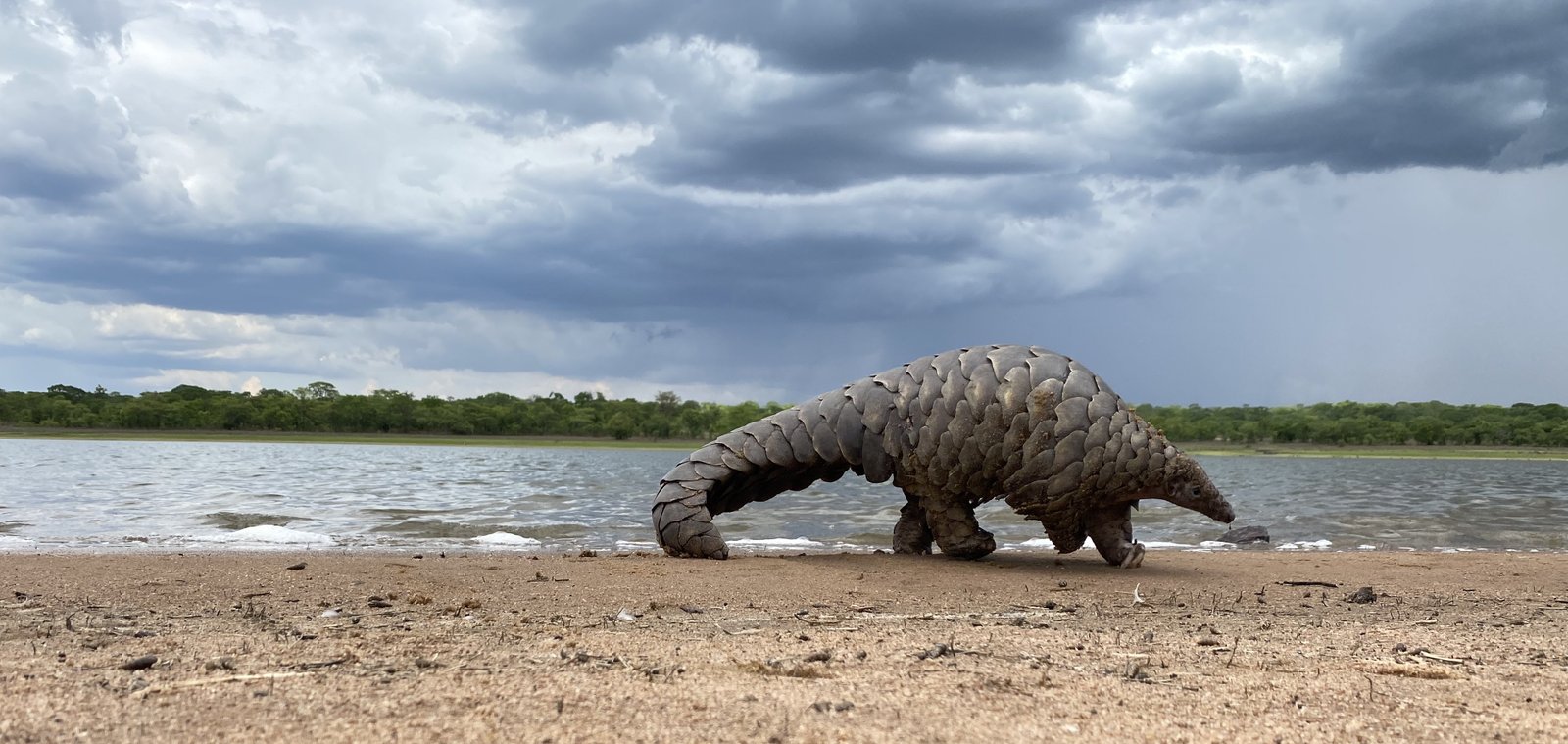
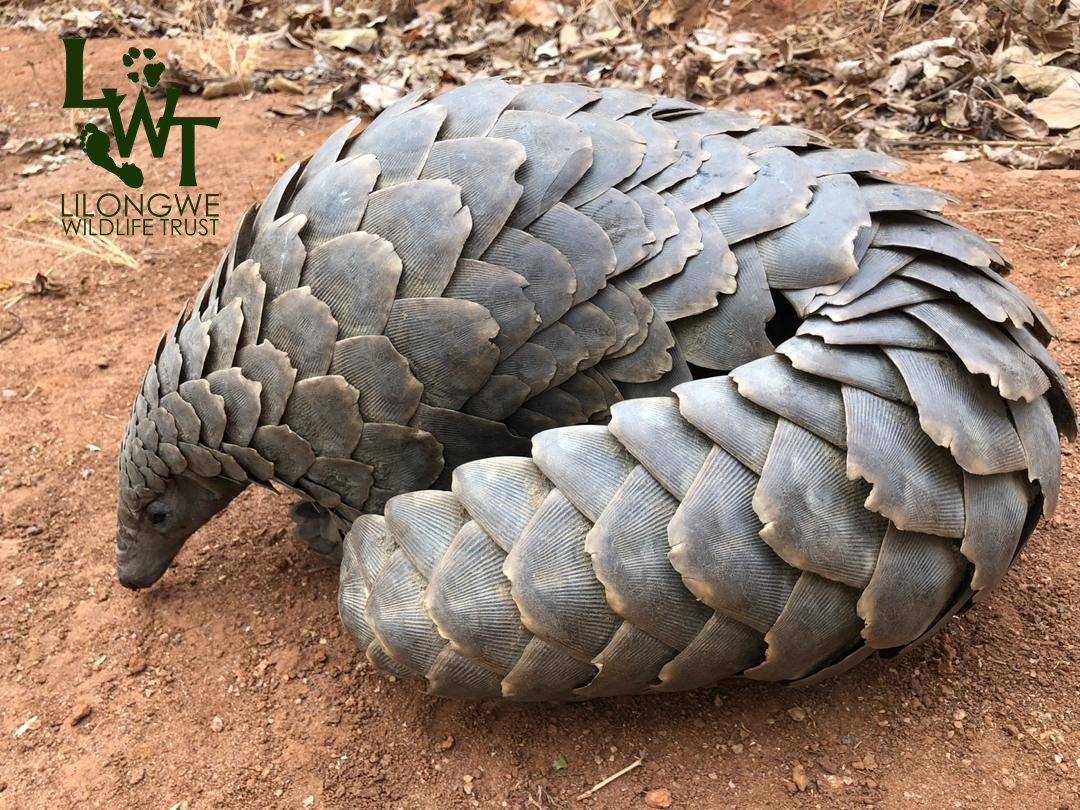
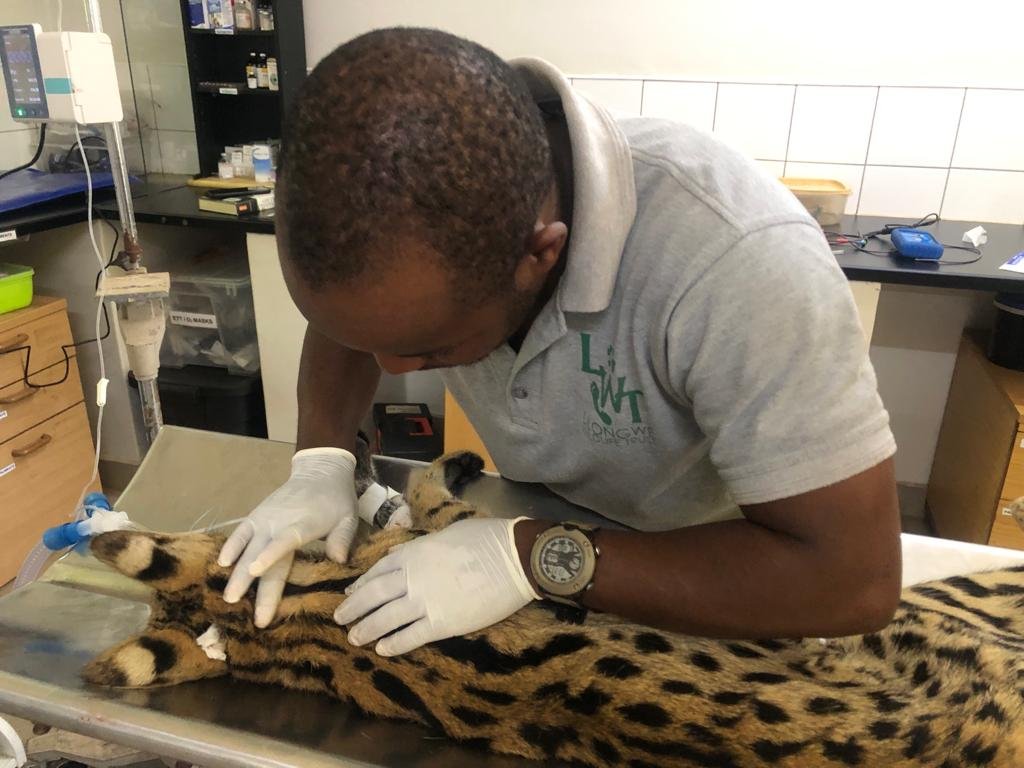
Lilongwe Wildlife Trust delivers impact from individual animal rescue to national policy and law-enforcement reform. Its accredited sanctuary rehabilitates injured, orphaned and trafficked wildlife for release wherever possible, while field research improves understanding of threatened species and habitats. Education programmes build conservation awareness among children, teachers and communities, and its legal work strengthens investigation, prosecution and sentencing for wildlife and forest crime. Together, these programmes protect animals, improve institutions and promote healthier landscapes across Malawi.
The Conservation Challenge
Lilongwe Wildlife Trust operates amid severe habitat loss, deforestation, wildlife trafficking, bushmeat hunting, snaring, pollution and increasing human–wildlife conflict. Poverty, food insecurity and dependence on charcoal and natural resources can intensify pressure on forests and protected areas. Rescued animals often require costly specialist care, while monitoring remote landscapes demands reliable equipment, skilled staff and long-term funding. Corruption, organised cross-border crime and gaps in scientific knowledge add further complexity to achieving lasting conservation results.
Solving these challenges would allow more rescued animals to return safely to the wild, reduce poaching and trafficking, and strengthen protection for Malawi’s threatened species. Healthier, better-connected landscapes would support biodiversity, water security, climate resilience and community livelihoods. Stronger justice systems would deter wildlife and forest crime, while education and locally led conservation would help people benefit from protecting nature. The result would be safer coexistence between communities and wildlife and more resilient ecosystems for future generations.
WHAT'S NEEDED NOW
Handheld GPS Unit
US$250Useful for recording wildlife sightings, patrol routes, snares, habitat features and research locations beyond mobile coverage.
TRAVEL CONNECTION
Suggested Camps & Experiences
Visitors can experience the organisation’s work at Lilongwe Wildlife Centre, a 70-hectare forest reserve between Lilongwe’s Old Town and City Centre. The rescued-animal sanctuary itself is closed to ordinary public tours to protect animal welfare and preserve release prospects. However, visitors can explore walking trails, an elevated forest boardwalk, a bird hide, environmental displays, sculptures, a café and gift shop. Entry fees directly support the Trust’s rescue and conservation programmes.
WAYS TO SUPPORT
Donate
Make a direct contribution to this conservation project and help protect wildlife on the ground.
DONATE TO THIS PROJECTFundraise
Rally your friends and community to support this project. Every bit helps.
START FUNDRAISINGVolunteer
Lilongwe Wildlife Trust offers structured placements in wildlife sanctuary work, veterinary medicine and wildlife research, as well as opportunities for students to undertake approved research projects. International placement prices currently start from approximately £1,200, with costs and eligibility varying by programme and length of stay. Veterinary placements are restricted to veterinary students. Volunteers may support food preparation, enclosure maintenance, enrichment, animal observation, field monitoring and data management rather than direct handling of wildlife.
VIEW OPPORTUNITIESTravel
Visitors encounter reception, education and visitor-services staff during an ordinary trip to Lilongwe Wildlife Centre, but public access to the animal rehabilitation sanctuary and veterinary areas is not permitted. Donors, researchers, journalists, conservation partners and prospective volunteers may request a meeting with relevant team members in advance. Educational visits for schools and universities must also be pre-booked. Any behind-the-scenes access depends on staff availability, animal welfare, operational priorities and appropriate safeguarding procedures.
EXPLORE MALAWI