
ABOUT THE PROJECT
The Giraffe Conservation Foundation is the only international NGO dedicated exclusively to conserving wild giraffe across Africa. Working with governments, communities, universities and conservation partners, it combines research, satellite tracking, population surveys, translocations, veterinary support, education and national conservation planning. Its programmes cover all four giraffe species and operate across much of their remaining range, using science and practical field action to protect populations, restore them to former habitats and strengthen locally led conservation capacity.
IMPACT
Impact Snapshot
Conservation Impact
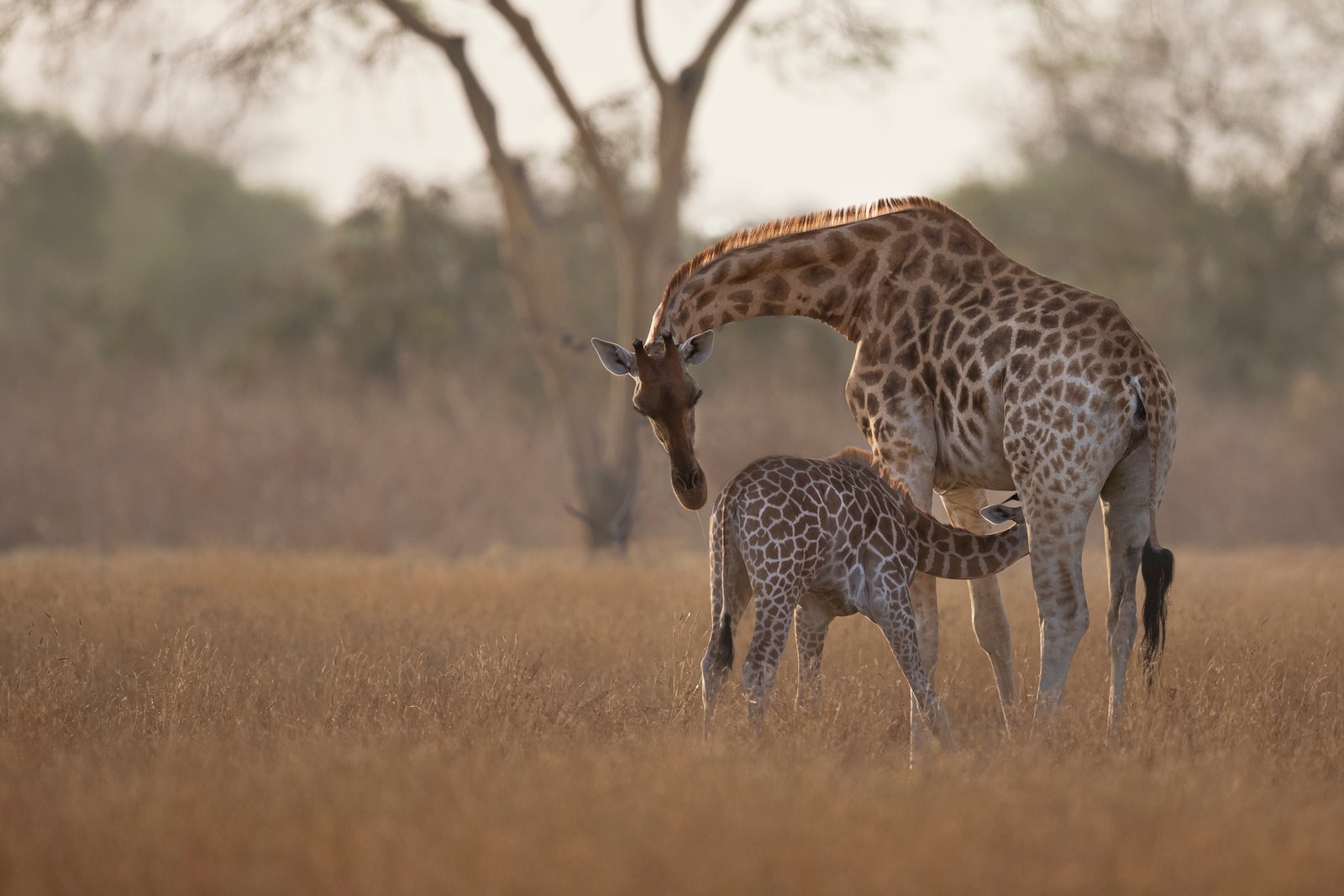
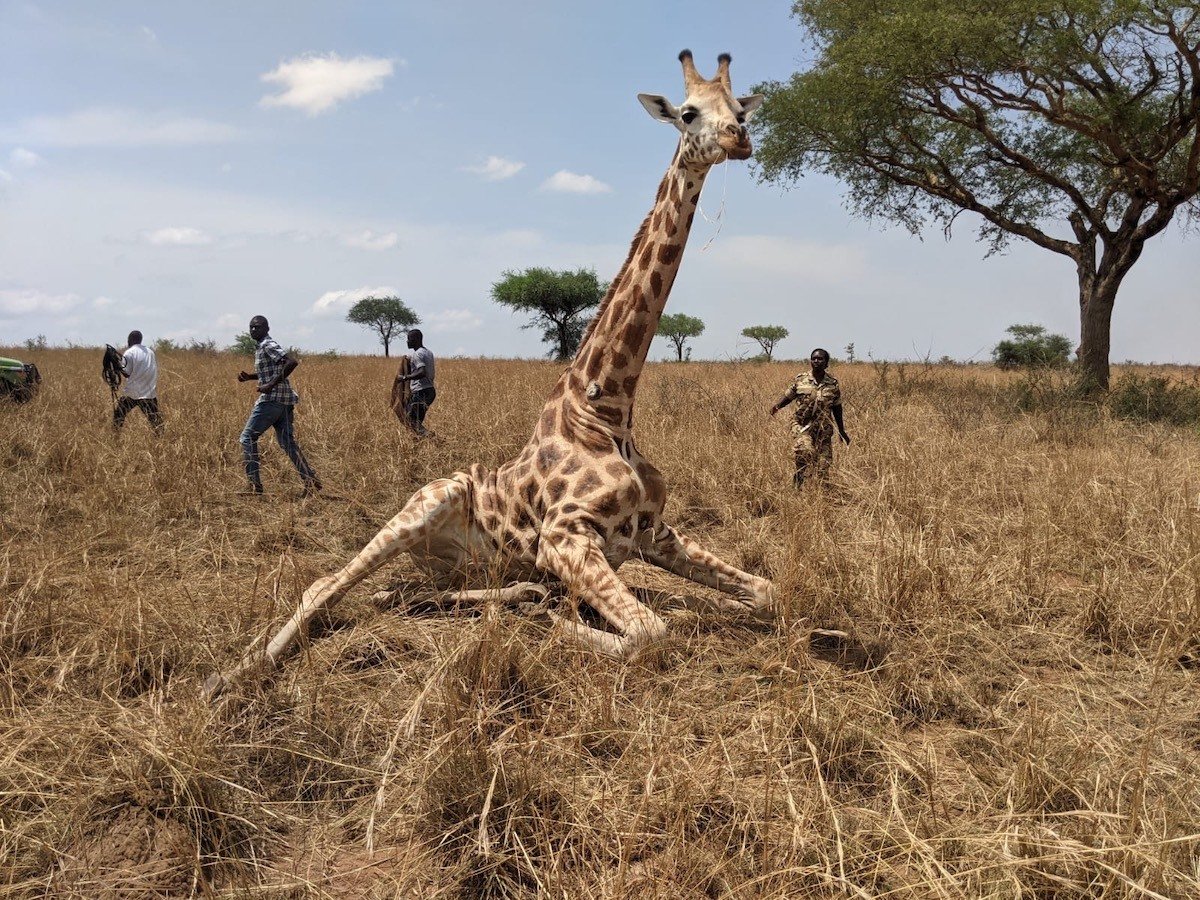
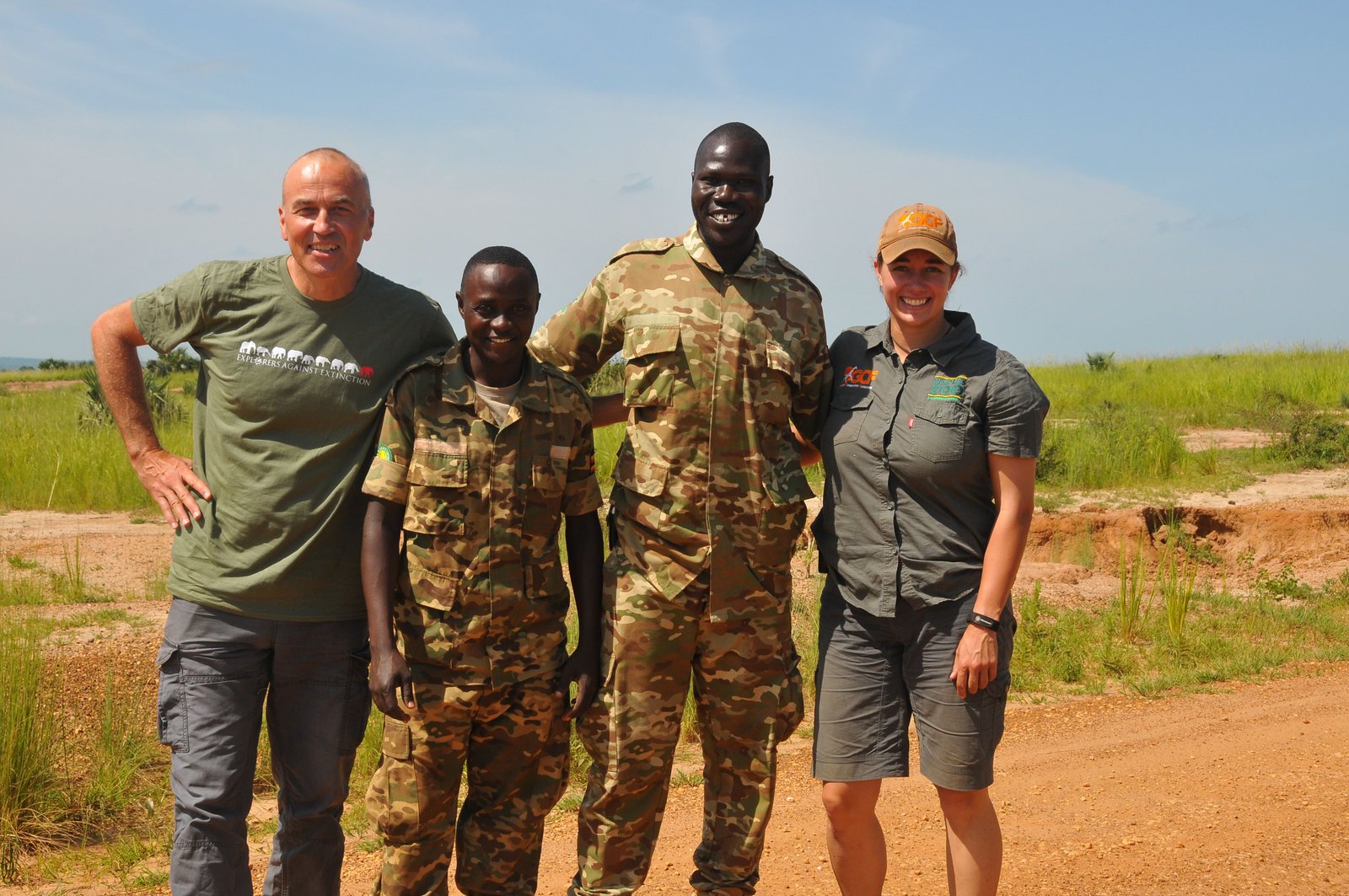
GCF’s work has transformed giraffe conservation from a neglected issue into a coordinated, science-led effort across Africa. Its research has clarified giraffe taxonomy, improved population estimates and revealed important habitats and movement corridors. Satellite tracking, surveys and translocations support better protection and restore giraffe to former ranges, while education, ranger support and veterinary training build local capacity. Together, these activities benefit giraffe, wider biodiversity, protected landscapes and the communities sharing space with wildlife.
The Conservation Challenge
GCF faces extensive habitat loss and fragmentation, illegal hunting, civil insecurity, climate change, disease and limited conservation capacity across parts of Africa. Giraffe populations are often widely dispersed, cross political boundaries and receive less attention than other iconic mammals, making reliable monitoring difficult. Roads, farms, settlements and fences increasingly restrict movement between habitats. The organisation must also secure sustained funding, strengthen local expertise and maintain effective partnerships across many countries with very different political, ecological and security conditions.
Solving these challenges would secure connected habitats where viable giraffe populations can move, breed and adapt to environmental change. Better monitoring and protection would reduce poaching, identify population declines earlier and guide more effective conservation decisions. Restoring giraffe to suitable former ranges would strengthen ecosystems and tourism opportunities, while education, training and locally led programmes would create skills and livelihoods. Ultimately, communities and governments would gain stronger incentives and capacity to protect giraffe and their landscapes for future generations.
WHAT'S NEEDED NOW
Camera Trap
US$500This would normally include the camera, memory cards, batteries or solar supply, security casing and mounting equipment. Camera traps support population monitoring, individual identification and threat detection.
TRAVEL CONNECTION
Suggested Camps & Experiences
The clearest place to experience GCF’s work directly is the Etosha Heights Conservation Centre, located on Etosha Heights Private Reserve in northern Namibia, beside Etosha National Park. The reserve has restored more than 60,000 hectares of former farmland and forms part of the wider Greater Etosha South-West Landscape. GCF and the Namibia University of Science and Technology conduct wildlife monitoring, research, education and training from the centre. Access must be arranged in advance.
Travel Partnerships
Wildlife Worldwide and Safari Consultants have offered specialist Namibia giraffe-conservation itineraries featuring Etosha Mountain Lodge and GCF personnel. Wilderness Travel also operates a GCF-linked Namibia conservation safari involving giraffe tracking and GPS-tagging activities.
WAYS TO SUPPORT
Donate
Make a direct contribution to this conservation project and help protect wildlife on the ground.
DONATE TO THIS PROJECTFundraise
Rally your friends and community to support this project. Every bit helps.
START FUNDRAISINGVolunteer
GCF operates a formal Conservation Supporter Volunteering Program at Etosha Heights. The two-week experience includes ten nights at the Conservation Centre, field research activities, food, reserve transport and transfers between Windhoek and the project area. The advertised conservation contribution is US$2,500, excluding international flights and accommodation in Windhoek.
VIEW OPPORTUNITIESTravel
See wildlife in the wild while supporting conservation on the ground. Visits to EAE partner projects can be arranged.
EXPLORE NAMIBIA