
ABOUT THE PROJECT
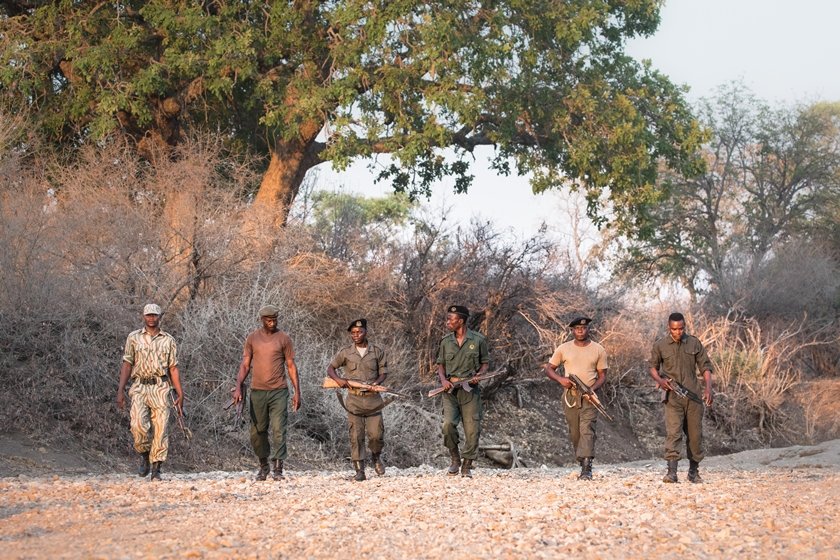
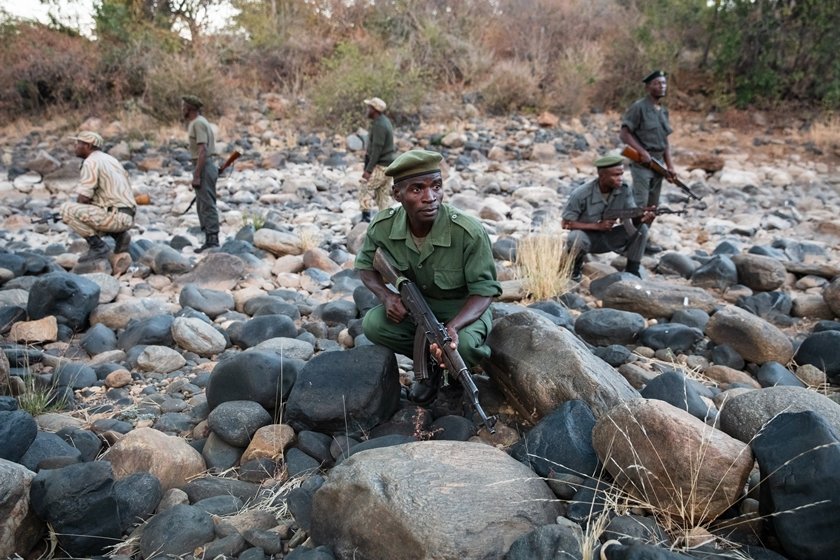
Conservation Lower Zambezi (CLZ) is a non-governmental organization dedicated to safeguarding the wildlife and ecosystems of the Lower Zambezi, Zambia. Since 1994, CLZ has worked alongside the Department of National Parks and Wildlife (DNPW) to combat poaching, preserve biodiversity, and promote sustainable conservation efforts.
IMPACT
Impact Snapshot
Conservation Impact
Conservation Lower Zambezi is helping secure the long-term future of the Lower Zambezi ecosystem by protecting its wildlife and habitats while strengthening the role of local communities in conservation. By addressing both environmental and human pressures, CLZ is building a more resilient landscape where people and wildlife can thrive together.
The Conservation Challenge
The Lower Zambezi faces continued pressure from wildlife crime, including poaching and the illegal wildlife trade, alongside habitat loss and increasing human-wildlife conflict. Communities bordering the protected area can lose crops, livestock and, at times, human lives to wildlife, particularly elephants and predators. These pressures can undermine local livelihoods and tolerance for wildlife, making effective law enforcement, habitat protection and community-led conservation essential.
Reducing poaching and habitat pressure will help protect the Lower Zambezi’s elephants and other wildlife and maintain a healthy, connected ecosystem. At the same time, reducing human-wildlife conflict will make living alongside wildlife safer and more economically viable for neighbouring communities. Together, these efforts strengthen local support for conservation and help ensure the Lower Zambezi remains a thriving ecosystem for future generations.
WHAT'S NEEDED NOW
Anti-snare workshop within local communities
$2,000 USDCLZ’s anti-snare workshops work with local communities to tackle the threat of illegal wildlife snaring through education, awareness and practical engagement. A contribution of around US$2,000 can fund a workshop, helping communities understand the impact of snares on wildlife and encouraging locally led solutions to reduce their use.
3 Day Operation for the K9 Unit
$400 USDCLZ’s K9 Unit supports frontline wildlife protection in the Lower Zambezi, using specially trained detection dogs and handlers to help combat wildlife crime. The team assists with operations such as detecting illegal wildlife products and tracking suspects, strengthening the work of law-enforcement teams protecting the Lower Zambezi ecosystem. Around US$400 can fund a three-day K9 Unit operation.
TRAVEL CONNECTION
Suggested Camps & Experiences
The best way to experience Conservation Lower Zambezi’s work is by staying at one of the conservation-supporting camps or lodges in the Lower Zambezi and exploring the landscape with experienced guides. Game drives, walking safaris and canoe or boat trips reveal the extraordinary wildlife of the Zambezi Valley while providing insight into the challenges of protecting it. Travellers can also arrange a visit to Conservation Lower Zambezi’s base, where they can learn more about anti-poaching, wildlife monitoring, human–wildlife coexistence and community programmes, and meet some of the people working to protect this remarkable ecosystem.
Travel Partnerships
Travellers can experience the Lower Zambezi conservation story by staying with one of CLZ’s supporting safari camps and lodges, including Chiawa Camp, Royal Zambezi Lodge, Baines’ River Camp, Kanyemba Lodge, Zambezi Grande and Nuyanaya River Camp. Exploring the area with local guides brings CLZ’s work into context, while a visit to CLZ’s Base Camp can offer a deeper understanding of wildlife protection, research, environmental education and community conservation
WAYS TO SUPPORT
Donate
Make a direct contribution to this conservation project and help protect wildlife on the ground.
DONATE TO THIS PROJECTFundraise
Rally your friends and community to support this project. Every bit helps.
START FUNDRAISINGTravel
See wildlife in the wild while supporting conservation on the ground. Visits to EAE partner projects can be arranged.
EXPLORE ZAMBIA