ABOUT
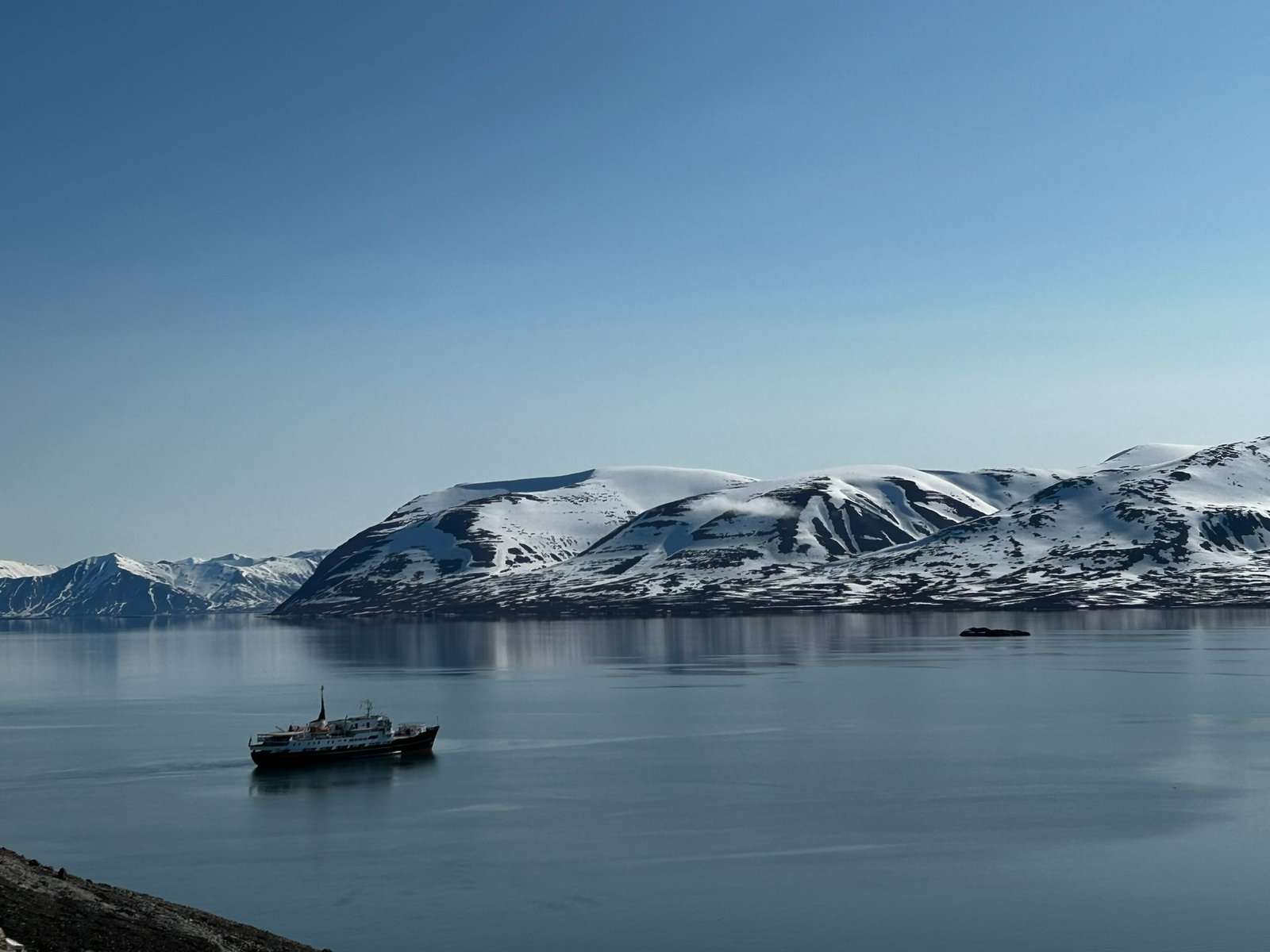
MS Serenissima is a characterful small expedition ship offering expert-led voyages from Longyearbyen through the fjords, glaciers and wildlife-rich waters of northwest Spitsbergen.
MS Serenissima is a classic expedition ship sailing short Arctic voyages from Longyearbyen along Spitsbergen’s west and northwest coasts. Built in 1960 and refurbished in 2019, she carries up to 103 guests in 50 cabins and suites. Spacious observation decks, two lounges and the Venice Restaurant complement Zodiac landings, wildlife watching and expert-led lectures. Operated by Hurtigruten Svalbard, the ship combines traditional maritime character with a flexible programme shaped by weather, wildlife and sea-ice conditions.
Key Highlights
- Small-ship Arctic exploration – A maximum of 103 guests creates a more personal atmosphere than that found aboard large cruise ships.
- Journey towards 80° North – Voyages explore the dramatic west and northwest coasts of Spitsbergen, subject to ice, weather and wildlife conditions.
- Expert local expedition team – Svalbard-based guides provide lectures, wildlife interpretation, historical context, daily briefings and guidance during landings.
- Zodiac excursions and landings – Small expedition boats enable guests to explore remote shores, glaciers, historic sites and wildlife areas inaccessible to larger vessels.
- Excellent outdoor viewing – A large observation deck, sheltered outdoor spaces and panoramic lounges provide extensive opportunities for watching wildlife and Arctic scenery.
Seasonality
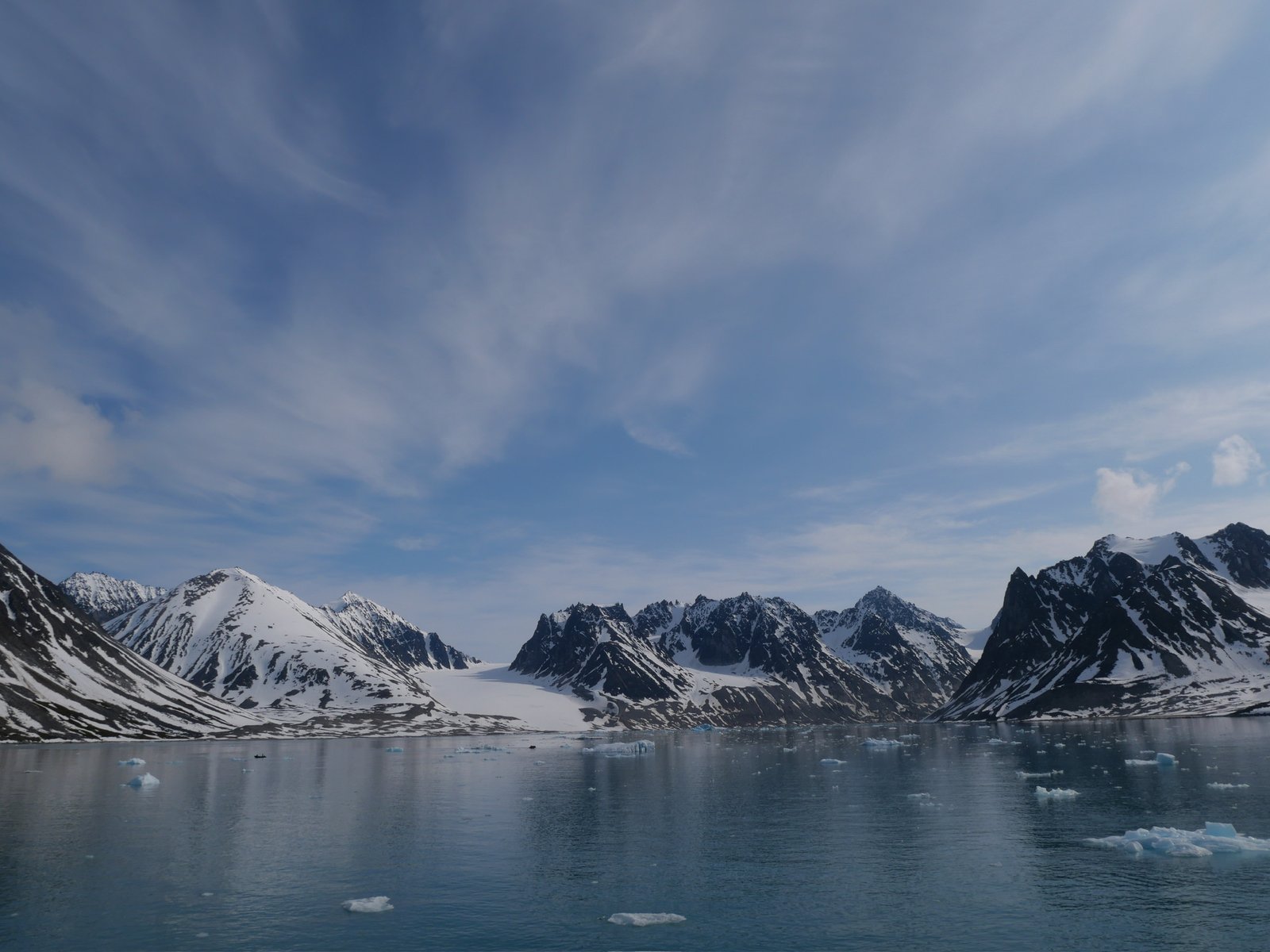
MS Serenissima sails between May and September. May often brings snow-covered landscapes and lingering sea ice, while June and July offer continuous midnight sun and busy seabird colonies. August brings warmer colours and softer light; September feels more autumnal. Wildlife is unpredictable, and no departure can reliably guarantee polar-bear sightings.
Experience Types
DETAILS
ACCESS & LOGISTICS
MS Serenissima’s voyages begin and end in Longyearbyen. Travellers normally fly to Svalbard Airport, Longyear from Oslo or Tromsø on the Norwegian mainland. Flights take approximately three hours from Oslo or 90 minutes from Tromsø. Hurtigruten Svalbard’s complete cruise packages include a stay in Longyearbyen and transfers between the airport, hotel and ship. Depending on harbour availability, guests may board directly from the quay or transfer to the vessel by Zodiac. Svalbard lies outside the Schengen area, so passengers must carry a valid passport or accepted national identity card. Appropriate travel and medical-evacuation insurance is strongly recommended.
CONSERVATION CREDENTIALS
CONSERVATION PARTNERSHIPS
The Hurtigruten Foundation supports environmental and community projects in destinations associated with Hurtigruten’s operations. In Svalbard, funded work has included remote beach clean-ups, outdoor education, avalanche-rescue dog training and social-inclusion activities.
SUPPORT PROVIDED
Hurtigruten Svalbard contributes to local conservation and community work through direct expenditure, sponsorships and its connection with the Hurtigruten Foundation. The operator also generates local economic value by purchasing supplies, employing Svalbard-based guides and using hotels, restaurants, transport providers and attractions in Longyearbyen.
GUEST CONTRIBUTIONS
The statutory environmental fee paid by visitors contributes separately to the Svalbard Environmental Protection Fund. Guests can contribute independently to the Hurtigruten Foundation, which funds environmental and community initiatives in Svalbard and other destinations associated with Hurtigruten.
CONSERVATION VISITS
Lectures, daily briefings, guided landings and wildlife interpretation explain the pressures affecting Svalbard, including climate change, retreating glaciers, declining sea ice, marine pollution and disturbance to wildlife. The included Longyearbyen programme normally incorporates the Svalbard Museum and Camp Barentz, where guests learn about Arctic history, research, natural systems and polar bears.
LOCAL EMPLOYMENT
The expedition team accompanying MS Serenissima is drawn from guides who live, work or have extensive experience in Svalbard. Their local knowledge of wildlife, history, weather, sea ice and Arctic safety is central to the voyage. Guiding is normally available in English, Norwegian, French and German.
COMMUNITY PROJECTS SUPPORTED
Through Hurtigruten Svalbard and the Hurtigruten Foundation, MS Serenissima connects guests with Arctic conservation and community work. Supported initiatives include remote beach clean-ups, environmental education, avalanche-rescue dog training, outdoor activities for local children and social-inclusion events. The operator also sponsors cultural and sporting events in Longyearbyen. Some activities are operator-wide rather than ship-specific, but selected sailings may include practical clean-ups, citizen science or other conservation-focused experiences led by local partners and expedition guides onboard.
COMMUNITY ENGAGEMENT
Beach clean-ups, citizen-science activities and other practical conservation work are offered only on selected departures or excursions. Guests should ask Hurtigruten Svalbard before travelling whether any suitable activity is planned.
ENVIRONMENTAL SUSTAINABILITY
WATER MANAGEMENT
Hurtigruten Svalbard monitors water consumption per guest night and has set a target of reducing it further. Onboard water and wastewater are managed under maritime and Polar Code requirements.
WASTE MANAGEMENT
Waste must be retained, managed and disposed of in accordance with maritime, Polar Code and AECO requirements. Hurtigruten Svalbard monitors operational and food waste per guest night and aims to reduce both. Expedition teams also collect litter during suitable shore activities, while guests are required to leave nothing behind during landings.
FOOD SOURCING
Meals are served in the Venice Restaurant, with menus based on fresh ingredients. Hurtigruten Svalbard prioritises Arctic and Norwegian products where practical and is shifting more supplies from air freight to sea freight.
ADDITIONAL INITIATIVES
Polar Code compliance
MS Serenissima meets the requirements of the International Polar Code. These cover ship design, equipment, emergency preparedness, pollution prevention, voyage planning and crew training for operations in polar waters.
Controlled landings
Landings are led by trained expedition staff and are altered or cancelled when weather, sea ice, wildlife or environmental conditions make access inappropriate. Guests remain in managed groups and receive instructions designed to minimise disturbance.
Wildlife protection
Guides follow legal and AECO requirements concerning wildlife encounters. Animals should not be approached, pursued, fed or encouraged to change their behaviour. Polar-bear sightings cannot be guaranteed or actively engineered.
CONSERVATION INSIGHT
NATURE & CONSERVATION IN THE VISITOR EXPERIENCE
The local expedition team provides lectures and informal talks about Svalbard’s wildlife, geology, glaciers, exploration history, cultural heritage and changing climate. Daily recaps review what guests have seen and explain the following day’s possible activities.
From the observation decks, guides help passengers identify whales, walruses, seals, seabirds, Svalbard reindeer and, occasionally, polar bears. All sightings depend on natural conditions and must be managed without disturbing the animals.
Zodiac cruises bring guests closer to glacier fronts, bird cliffs, floating ice and remote coastlines. Guided landings reveal tundra plants, geological formations, former whaling sites, trapping history and scientific settlements.
The pre-cruise programme usually includes the Svalbard Museum and Camp Barentz. Together with onboard interpretation, these experiences explain how tourism, climate research, protected-area regulations and responsible visitor behaviour contribute to safeguarding the High Arctic.
RELEVANT SPECIES
CONSERVATION THEMES
Other: ISO 14001:2025 Certification For Environmental Management. AECO Member.